

cropper
update

Small Biz Marketing BluePrint

update
  • Homepage
  • Subscribe
  • Contact Us
  • Cross-Channel Marketing
  • Ai Overviews
  • Brand Voice
  • All Posts
  • Content Marketing
  • Social Media Marketing
  • Video Marketing
  • Reputation
  • Traffic & Retargeting
  • Conversions
  • Reputation Management
  • Reputation Building
  • Reputation Marketing
  • Digital Marketing
  • Reviews & Testimonials
  • Cross-Channel Marketing
  • Ai Overviews
  • Brand Voice
August 12.2025
13 Minutes Read

Customer Journey Mapping: Reveal Hidden Paths to Loyalty

Did you know that organizations that excel at customer journey mapping achieve over 54% higher customer retention rates? Imagine being able to reveal the hidden paths your customers take—discovering pain points, refining each touchpoint, and turning casual buyers into devoted advocates. Customer journey mapping is not just a buzzword; it’s a strategic tool that empowers businesses to outpace competition and earn lasting loyalty. Surveys show that 79% of companies state that customer journey maps enabled them to become more customer centric Let’s unveil the secrets that top-performing brands use to improve customer experience from the very first interaction!

Unveiling Loyalty’s Secret Paths Through Customer Journey Mapping

customer journey mapping business team analyzing a colorful customer journey map in a bright, modern office environment
  • Did you know that organizations that excel at customer journey mapping achieve over 54% higher customer retention rates?

  • Discover the critical role of journey maps in uncovering patterns that drive lasting customer loyalty.

The advantages of customer journey mapping extend far beyond a basic understanding of your audience. By charting the entire customer journey map, businesses illuminate overlooked touchpoints and pain points that can be transformed into opportunities for delight. Whether you’re leading a startup or steering an enterprise, the insights uncovered through journey maps reveal how customers interact, from first click to post-purchase support. Journey mapping isn’t just about following the obvious path—it’s about exposing the winding trails your customers walk, the pain points they stumble over, and the moments that could inspire lifelong loyalty. In this guide, you’ll learn why customer journey mapping is essential for any business intent on delivering stellar customer experiences—and how you can start leveraging it today.

Why Customer Journey Mapping Matters for Every Business

Understanding the Full Customer Journey

  • Explore the value of customer journey mapping in modern business strategy.

  • Real-world examples demonstrating its impact on the customer experience.

customer journey mapping businesswoman analyzing a multistep customer journey on a digital screen in a professional office setting

Effective customer journey mapping lets you step into your customer’s shoes and see every point of interaction with your business. By visualizing the entire customer journey , companies can pinpoint where customers might lose interest, encounter friction, or become loyal brand advocates. For instance, a customer journey map may reveal that while your website excels at attracting attention, your checkout process introduces a frustrating pain point, causing unnecessary drop-offs. By mapping and addressing each phase, businesses can improve customer retention and nurture relationships at every touchpoint.

Take Starbucks as an example: They use journey maps to optimize the mobile ordering experience, identifying where customers hesitate and what encourages them to return. From ordering a coffee via an app to redeeming loyalty points, every interaction is mapped for potential pain points and improvement. Modern organizations, both in B2B and B2C, increasingly rely on journey maps for new product launches, revamping customer support, and understanding behaviors across social media and offline channels. This deliberate focus on the customer experience not only increases loyalty but also fuels continuous growth.

How Journey Maps Enhance Customer Experience

  • The link between customer journey maps and improved customer satisfaction.

  • Case studies: journey mapping success stories.

Journey maps serve as a bridge between business operations and the often invisible world of customer emotions and expectations. By visualizing each step, you immediately see where enhancements can improve customer satisfaction. For example, using a journey mapping process, Delta Airlines overhauled its entire support model—reducing pain points in booking and boarding by implementing digital check-ins and proactive service updates. The result? Higher ratings and increased customer loyalty.

“Mapping the customer journey is like putting on glasses for the first time—you suddenly see every detail that matters.”

Whether it’s the customer support phone call that solves a problem or a personalized thank-you email post-purchase, journey maps highlight those moments that keep customers coming back. When you analyze pain points, address feedback, and engage every team member in the process, you convert transactional experiences into memorable journeys.

Decoding the Customer Journey: Key Stages and Touchpoints

The 5 Core Stages of the Customer Journey Map
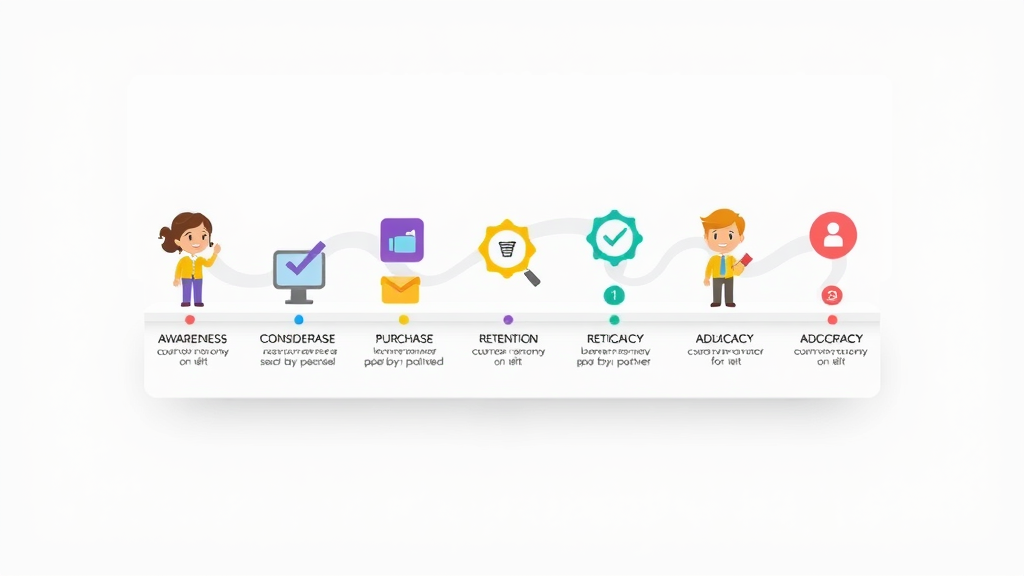
customer journey mapping infographic showing awareness, consideration, purchase, retention, advocacy stages in a colorful, cartoon-style path
  • Awareness

  • Consideration

  • Purchase

  • Retention

  • Advocacy

Every successful customer journey map is built around these five central stages: Awareness (where potential customers first learn about your product or service), Consideration (when they’re weighing their options), Purchase (the conversion moment), Retention (ongoing engagement and support), and Advocacy (when satisfied customers become your ambassadors). By mapping each stage and analyzing customer behavior, brands can spot pain points that impede progress or diminish satisfaction.

Understanding the interplay of these stages is crucial for enhancing the user experience and ensuring that every interaction aligns with customer expectations. For example, during the awareness stage, bombardment with unnecessary info may be a pain point; at the purchase stage, a clunky checkout can derail a sale. Journey maps, therefore, act as a diagnostic visual representation, allowing you to tailor solutions that create seamless, positive customer experiences.

Stage

Customer Goal

Touchpoints

Pain Points

Awareness

Discover solutions

Ads, social, reviews

Info overload

Consideration

Evaluate options

Website, demos, support

Complexity, doubts

Purchase

Complete transaction

Checkout, payment, sales

Friction, delays

Retention

Get value, support

Onboarding, emails

Poor follow-up

Advocacy

Recommend brand

Surveys, referrals

Lack of reward

Mapping Customer Touchpoints for Lasting Loyalty

  • Identifying opportunities in the customer journey map.

  • Critical touchpoints: Where customer experience is made or broken.

customer journey mapping dynamic map with digital and in-person touchpoints highlighted in a futuristic office environment

Each stage in your journey map contains multiple customer touchpoints —moments where customers interact with your brand directly or indirectly. These can range from a click on a social media post to a call with customer support or a quick chat with a team member. By mapping and analyzing these touchpoints, companies can uncover pain points that aren’t always obvious from aggregate data.

Often, critical pain points —like lengthy response times or unclear product details—become make-or-break moments for customer loyalty. Smart businesses prioritize pain point resolution at these decisive moments, transforming friction into competitive advantage. When customer journey mapping is thorough, each customer touchpoint is optimized, and opportunities for engagement multiply, resulting in more advocates and fewer lost opportunities.

The Blueprint: What Is Customer Journey Mapping Really?

Journey Mapping vs. Experience Map vs. User Flow

  • Distinctions between journey mapping, experience map, and customer journey maps explained.
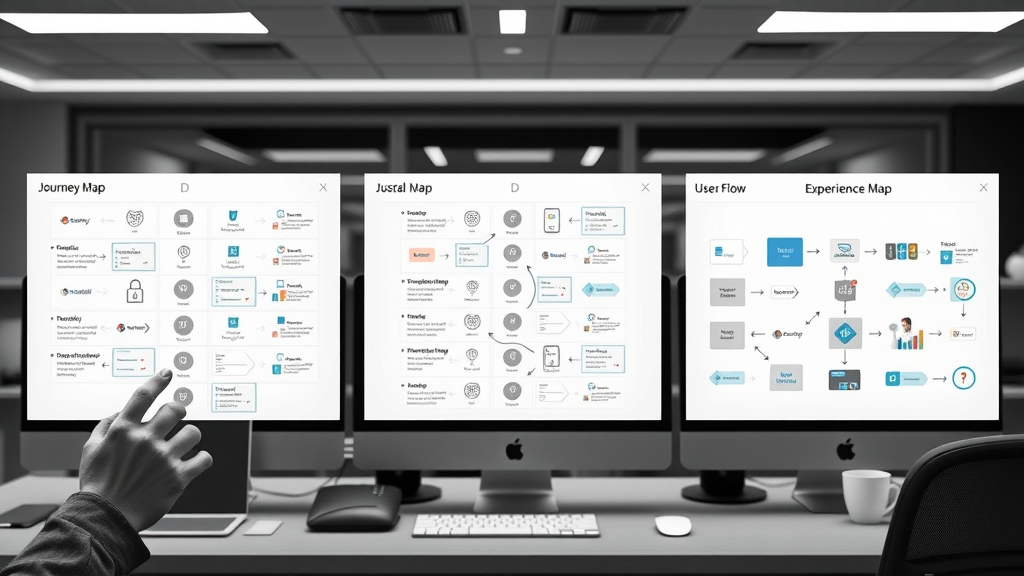
customer journey map, experience map, and user flow contrasting diagrams on a modern workspace screen

Not all mapping strategies are created equal. A customer journey map zeroes in on the individual customer’s interaction with your business—covering every step and touchpoint along the way. In contrast, an experience map offers a broader view, charting universal human experiences that could relate to your service, not just a single customer persona. A user flow is more technical, mapping the step-by-step navigation users follow within a website or app.

Understanding these distinctions is vital for effective journey mapping. While an experience map can help you uncover deeper motivators and context, a well-designed journey map pinpoints specific pain points, guides your improvement efforts, and ensures every customer interaction is mapped—making it the superior choice for targeted customer service enhancements.

Customer Journey Mapping: The Strategic Process

  • How customer journey mapping works.

  • Reasons to invest in detailed journey maps.

At its core, customer journey mapping is a strategic exercise that aligns internal teams around the customer experience. The process works by gathering insights from customer feedback, interviews, and analytics, then synthesizes them into a visual representation: the journey map. Every pain point, touchpoint, and emotional response is recorded, providing a step-by-step toolbox for team members to act upon.

“A journey map is not just a diagram—it’s an organizational shift in how you think about every customer interaction.”

When organizations view customer journey mapping as more than just a diagram—but rather as an ongoing strategy—they position themselves for breakout success. Investing time and effort into journey maps pays back with improved customer satisfaction, increased loyalty, and a clear sense of where to invest further in the customer experience.

7 Steps to Map the Customer Journey: From Research to Results

Step-by-Step Customer Journey Mapping Breakdown

  1. Define objectives and goals for your journey mapping.

  2. Build detailed customer personas.

  3. Identify all key touchpoints and channels.

  4. Gather customer feedback and pain points.

  5. Construct your journey map from first impressions to advocacy.

  6. Analyze pain points and opportunities for improvement.

  7. Implement solutions and review results for continuous improvement.

Each step in journey mapping is designed to ensure accuracy and actionable insights. Start by setting clear goals—whether it’s improve customer satisfaction, decrease pain points, or raise conversion rates. Build personas for your different customer types, chart all potential touchpoints, and tap into real customer feedback. Use the feedback to construct a comprehensive journey map, marking out moments that matter most and noting critical pain points. This continuous process lays the foundation for ongoing optimization and better customer experiences.

Once the journey map is in place, prioritize which pain points to tackle first. Solutions aren’t static; review results, iterate on your approach, and continuously refine the journey to reflect evolving customer expectations. The goal? Turning customers into loyal advocates—step by step.

Creating a Customer Journey Map: Tools, Templates, and Best Practices

Choosing the Right Journey Mapping Tools

  • Overview of popular customer journey mapping tools and software.

  • Features to look for in journey mapping platforms.

customer journey mapping dashboard tool displayed on a laptop in a cozy, modern workspace with interactive elements and sticky notes

Many digital platforms make creating a customer journey map fast and collaborative. Some of the most popular journey mapping tools include Miro, Lucidchart, Smaply, and Microsoft Visio. Look for features like drag-and-drop interface, integration with analytics, customizable templates, and real-time team collaboration. These platforms streamline the process—letting any team member contribute pain point insights, annotate touchpoints, and visualize trends in customer journeys.

For advanced organizations, AI-driven mapping tools provide predictive analytics and real-time customer feedback integration, allowing for faster identification and resolution of pain points. Whichever platform you choose, ensure it supports collaboration, clear visualization, and the flexibility to iterate as your journey maps evolve.

Using Customer Journey Mapping Templates

  • Ready-to-use journey map templates for multiple industries.

  • Customizing journey maps for unique audiences.

Templates speed up the journey mapping process, offering predefined layouts and best-practice guidelines for mapping touchpoints, personas, and pain points. Whether you’re in retail, healthcare, SaaS, or financial services, you’ll find journey map templates tailored to your industry’s needs. Simply select a template that fits your objectives, then refine it with real customer data and persona insights to ensure it resonates with your unique audience.

The key to effective mapping is customization—no two customer journeys are exactly alike. Update templates regularly as new products launch or as customer behavior shifts, keeping your journey maps current and action-oriented. By involving every relevant team member in the process, you create a shared, living blueprint for continuous customer experience improvement.

Best Practices for Effective Journey Mapping

  • Common pitfalls and how to avoid them in the customer journey mapping process.

  • Tips for engaging teams in journey mapping activities.

The most powerful journey maps fail if they’re left to gather dust or built in a vacuum. Common pitfalls include ignoring customer feedback, mapping journeys from an internal perspective, and limiting participation to a single department. To avoid these mistakes, schedule cross-functional workshops and make sure pain point data comes directly from customers—not assumptions. Update the journey map whenever new customer trends or behaviors emerge.

Engage every team member by assigning roles, encouraging ownership of specific touchpoints, and celebrating quick wins as pain points are resolved. Leverage storytelling in your journey maps to humanize data, build empathy, and keep everyone invested in improve customer experience goals. The payoff? Higher engagement, better customer support, and more effective journey mapping overall.

Analyzing Pain Points: Improving Customer Experience with Journey Maps

Identifying Customer Pain Points and Opportunities

  • Where customers struggle in the journey map.

  • Techniques for prioritizing and resolving pain points.

customer journey mapping pain point visual showing a frustrated customer with a confusing checkout interface on smartphone in a trendy café

The core of any effective journey map lies in the identification of customer pain points—the obstacles, frustrations, and bottlenecks customers face along their path. By closely analyzing each stage, companies can pinpoint not only where customers drop off, but also why. Techniques such as customer surveys, heatmaps, and real-time feedback tools help capture authentic reactions and clues about hidden issues.

Once pain points are identified, prioritize them based on their frequency, severity, and impact on customer satisfaction or revenue. Companies that address the most critical pain points early on see immediate improvements in conversion rates, loyalty, and overall customer experience. Journey maps make it possible to visualize these opportunities and allocate resources for maximum return.

Turning Insights into Action

  • Ways journey maps drive proactive customer service improvements.

  • Case studies: From pain point to premium experience.

Journey maps are most valuable when insights lead to action. For example, a SaaS provider discovered that onboarding was a pain point for new users. By revising emails and offering live chat support, they improved first-week retention by 30%. This is proactive customer service —using real journey map data to build bridges instead of walls.

Real-world case studies regularly demonstrate that organizations that prioritize pain point resolution—by rolling out helpful guides, streamlining payments, or personalizing interactions—increase loyalty, referrals, and revenue. The journey map thus transforms from a static visual aid into a living, breathing action plan that shapes every aspect of the customer experience.

The Role of Personas in Customer Journey Mapping

  • Why a detailed customer persona is essential for effective journey mapping.

  • Merging customer journeys for different personas into a unified strategy.

customer journey mapping personas illustrated as diverse characters, each interacting uniquely across cityscape background

A customer persona is a semi-fictional representation of your ideal customer, built from real-world data and behaviors. Without well-researched personas, journey maps risk becoming inaccurate or overly generic—missing the nuances in how different customers interact with your brand. Personas help businesses catalog unique motivations, preferences, and pain points, ensuring the customer journey map reflects the entire customer base.

As organizations grow, so does the complexity of their customer journeys. The best journey maps account for different personas, highlighting diverse touchpoints and expectations, and then merge them into a unified strategic framework. This ensures that no important journey is overlooked and that the strategy can scale as new segments are added to your audience.

Customer Feedback and Iterative Improvement in Journey Mapping

Gathering and Leveraging Customer Feedback

  • Methods for collecting actionable feedback to refine journey maps.

customer journey mapping feedback, happy customer completing online survey on tablet, home office with product packages

The success of any customer journey map depends on continuous feedback. Tools such as email surveys, NPS forms, focus groups, and social media sentiment analysis provide a steady stream of insights. By proactively seeking customer feedback after every key touchpoint, companies can quickly spot trends, pain points, or improvements that need immediate attention.

Empowering customers to speak up—whether via post-purchase surveys or support follow-ups—ensures journey maps reflect reality, not assumptions. This active listening enhances every stage and strengthens the entire customer experience, allowing businesses to adjust and iterate faster than the competition.

Iterating Your Journey Map for Maximum Impact

  • Continuous optimization strategies using customer journeys and feedback.

Customer journeys are dynamic. They evolve as new technologies, expectations, and competitors emerge. That’s why journey maps must be treated as living documents—regularly updated with fresh data and direct customer feedback. Establish quarterly or biannual reviews involving stakeholders from marketing, sales, and support to identify areas for improvement.

Track key performance indicators (KPIs) such as customer satisfaction, repeat purchase rate, and pain point resolution time. Use these metrics to benchmark progress and fuel your next round of improvements—ensuring your company’s customer journey mapping program maintains its competitive advantage.

Beyond Theory: Real World Applications of Customer Journey Mapping

Customer Journey Mapping in B2B vs. B2C

  • Unique challenges for journey mapping across industries.

customer journey mapping B2B and B2C teams collaborating in modern office with journey maps on screens

While the principles of journey mapping hold true for both B2B and B2C contexts, unique challenges arise in each. B2B customer journeys involve multiple stakeholders, lengthy sales cycles, and highly personalized service. B2C typically features shorter, more transactional journeys with a focus on instant experience and emotion-driven decisions.

In both environments, the journey map is a vital navigational tool—enabling teams to anticipate pain points, tailor communications, and synchronize online and offline touchpoints. The best organizations customize their mapping strategies to address the scale, complexity, and pace of their industry—whether it’s a fast-moving ecommerce site or a multi-faceted enterprise contract negotiation.

Journey Mapping for Omnichannel Customer Experience

  • Integrating customer service and touchpoints for seamless customer experience.

The future of customer experience is omnichannel—where customers interact seamlessly across online chat, social media, in-store visits, and mobile apps without losing context or momentum. Journey mapping enables businesses to connect each touchpoint, ensuring consistency, personalization, and fast resolution of pain points no matter where the interaction occurs.

Companies like Disney and Apple are renowned for their omnichannel journeys, using journey maps to ensure every customer service interaction feels frictionless and intuitive. The result is a coherent, branded experience that drives customer loyalty far beyond a single channel.

People Also Ask: Your Top Customer Journey Mapping Questions Answered

What are the 7 steps to map the customer journey?

  • The 7 steps include defining objectives, building personas, identifying touchpoints, gathering feedback, creating the map, analyzing pain points, and implementing improvements. Each step is crucial for actionable customer journey mapping.

What is the customer journey mapping?

  • Customer journey mapping is the process of visually representing a customer’s end-to-end experience with your brand. It identifies all the interactions (touchpoints), highlights pain points, and uncovers opportunities for better customer experience.

What are the 5 stages of the customer journey?

  • The 5 key stages of the customer journey are awareness, consideration, purchase, retention, and advocacy. Mapping each ensures a comprehensive view of customer behavior and needs.

How to create a customer journey map: a step-by-step breakdown

  • Begin by setting clear goals, develop personas, map out all customer touchpoints, collect feedback, visualize each stage, analyze pain points, and continuously revise the journey map based on ongoing data.

Customer Journey Mapping and the Future of Loyalty

  • The evolving role of journey mapping in customer retention and loyalty programs.

  • Predictions for customer journeys as AI, automation, and personalization advance.

Customer journey mapping is increasingly at the heart of loyalty strategy. As AI and automation drive smarter personalization and always-on service, journey maps will adapt to reflect dynamic, predictive experiences. Loyalty, in the future, will be won not just by meeting needs—but by anticipating them, smoothing every friction, and creating truly memorable customer experiences.

Frequently Asked Questions About Customer Journey Mapping

  • What makes a great customer journey map?

  • How do you measure the effectiveness of journey mapping?

  • When should you update your customer journey map?

  • Can journey maps be automated?

  • What's the difference between journey mapping and customer experience mapping?

Key Visuals: Downloadable Journey Map Templates & Infographics

  • Access free customer journey map templates for immediate use.

  • Explore sample infographics depicting ideal customer journeys.

customer journey mapping infographic showing downloadable journey map templates with a laptop and coffee mug on a bright, creative co-working desk

From Insights to Action: Power Up Your Customer Loyalty Strategy

  • Take your organization’s customer journey mapping to new heights.

  • Act on your pain points, improve your customer experience, and watch loyalty soar.

Start today: map your customer journeys, act on pain points, and let loyalty become your ultimate business advantage!


Sources

  • Example Site – https://example.com

To deepen your understanding of customer journey mapping and its impact on customer loyalty, consider exploring the following resources:

  • Is your Marketing Just Limping Along? Would you like your strategies to Work Together Seamlessly and Effectively?  Click this link to Download the “The Ultimate Small Business Cross-Channel Marketing Checklist”

  • “Customer Journey Map: Everything You Need To Know” ( forbes.com )

This comprehensive guide delves into the components and benefits of customer journey maps, illustrating how they can enhance customer retention and satisfaction.

  • “Customer Journey Mapping: Steps, Benefits & Best Practices” ( clearlyrated.com )

This article outlines the key steps in creating effective customer journey maps and highlights common pitfalls to avoid, ensuring a more seamless customer experience.

By leveraging these insights, you can craft detailed journey maps that reveal hidden paths to customer loyalty, transforming casual buyers into devoted advocates.


Cross-Channel Marketing

39 Views

0 Comments

Write A Comment

*
*
Please complete the captcha to submit your comment.
Related Posts All Posts
09.10.2025

Unlock Growth with Cross-channel Marketing Solutions for Small Business Owners

Did you know: According to recent data, small businesses deploying effective cross-channel marketing solutions can see up to 300% higher engagement and a 35% increase in conversion rates compared to those using a single platform? If you’re a small business owner, mastering cross-channel strategies isn’t a luxury—it’s a proven route to unlocking growth, maximizing your marketing efforts, and connecting with your target audience where it matters most.Cross-channel Marketing Solutions for Small Business Owners: A Game-Changer in Modern MarketingIn today’s fast-paced digital ecosystem, the ability to integrate and manage marketing efforts across multiple channels is a true game-changer for small business owners. Cross-channel marketing solutions empower you to coordinate campaigns, streamline messaging, and reach your target audience on social media, email, and more—without spreading resources too thin. The real benefit? Delivering a seamless customer journey that follows prospects from their first touchpoint through to conversion and advocacy. By strategically leveraging a mix of social media, email marketing, and other digital platforms, small businesses not only engage more effectively but also build the trust and brand awareness needed in today’s crowded marketplace. Let's dive into the tools and strategies that make this all possible.Opening Hook: Surprising Statistics About Channel Marketing and Small BusinessesA recent survey showed that 72% of small businesses utilizing a cross-channel marketing platform reported significant improvements in customer experience and overall revenue compared to those operating on siloed channels. Even more striking, businesses that integrated at least three marketing channels witnessed a 287% higher purchase rate than those using a single channel. This highlights how small businesses embracing channel marketing strategies are not only surviving but thriving, redefining what's possible with the right marketing tools and efforts.What You'll Learn in This Guide to Cross-channel Marketing Solutions for Small Business OwnersUnderstand the foundations of cross-channel marketing solutions for small business ownersCompare cross-channel, multi-channel, and omnichannel marketing strategiesDiscover top marketing platforms and tools for small businessesLearn how to increase conversion rates with integrated marketing campaignsAccess expert advice on media management, social media management, and marketing automationThe Essentials of Cross-channel Marketing Solutions for Small Business OwnersDefining Channel Marketing and Its Impact on Small Business GrowthChannel marketing is the strategic use of multiple marketing channels—such as social media, email, and online advertising—to connect with customers at various touchpoints along their buying journey. For small business owners, this means being present where your customers are and maintaining consistent messaging as they move from platform to platform. When executed properly, using channel marketing solutions doesn’t just increase brand awareness; it helps collect meaningful customer data to inform future strategies and boosts the conversion rates you need for sustainable growth. In a landscape where competition is fierce, the ability to deploy cross-channel marketing efforts sets leading small businesses apart.How Small Businesses and Small Business Owners Benefit from Cross-channel Marketing SolutionsThe advantages of cross-channel marketing solutions extend well beyond visibility. Small businesses can more accurately target and engage their customers with personalized messaging—thanks to integrated customer data platforms that break down silos between social media, email marketing, and ecommerce. This opens the door for nurturing leads with timely, relevant content and tracking each prospect’s journey toward conversion. Importantly, these strategies dramatically improve marketing efficiency, letting small business owners do more with less and ensuring every marketing dollar is put to its best use through improved media management and campaign reporting.Key Elements: Social Media, Marketing Platform, and Channel Marketing StrategyTo succeed, every small business should focus on three core elements: a robust social media presence, the right marketing platform for campaign management, and a holistic channel marketing strategy. Social media management tools allow you to plan and automate posts, engage with your audience in real-time, and analyze performance, while marketing automation platforms streamline email campaigns, ad placements, and CRM workflows. Combining these elements into an integrated channel marketing strategy ensures that your messaging remains consistent and your marketing efforts are aligned with larger business goals.“Integrated channel marketing solutions have transformed our ability to reach and serve our target audience with consistency across all platforms and touchpoints.” – Small Business Marketing ExpertUnderstanding Cross-channel vs. Multichannel and Omnichannel Marketing StrategiesComparison of Cross-channel, Multichannel, and Omnichannel Marketing for Small Businesses (Channels Used, Customer Experience, Data Integration, Marketing Effort Required)Understanding the differences between multichannel, cross-channel, and omnichannel marketing is key for small businesses looking to maximize marketing efforts. Multichannel marketing uses several separate platforms (like email, social, and web), but often with little integration between them. Cross-channel marketing solutions for small business owners sync up these channels, sharing customer data and messaging to create a seamless experience as your prospects move from one touchpoint to another. Omnichannel, on the other hand, elevates this coordination, ensuring not only that messaging is consistent, but that every channel (including in-store) is unified for an integrated customer journey. The following table explains the key distinctions:StrategyChannels UsedCustomer ExperienceData IntegrationMarketing EffortMultichannelEmail, Social Media, Website (operated separately)Disconnected—messaging may differ by channelMinimalMediumCross-channelEmail, Social Media, Website (coordinated)Seamless experience—channels work togetherModerateEfficientOmnichannelAll digital and physical channels unifiedFully unified—one integrated journeyHighHighBenefits of Cross-channel Marketing Solutions for Small Business OwnersCross-channel marketing solutions offer a sweet spot for small business owners—providing the integration needed for higher conversion rates and better customer journeys, without the complexity of full-scale omnichannel execution. Businesses enjoy the ability to track user interactions, retarget customers seamlessly across platforms, and maximize ROI from each marketing campaign. For many, the real transformation lies in improved media management and efficiency: campaign assets, performance data, and brand messaging work harmoniously, letting small businesses make informed, data-driven decisions and foster enduring relationships with their audience.Seamless customer experience across platformsEnhanced customer journey tracking through customer dataImproved conversion rates via integrated marketing effortsEfficient media managementHow to Design an Effective Channel Marketing Strategy for Small BusinessesStep 1: Leveraging Customer Data for a Targeted Marketing StrategyThe first step in drafting a winning channel marketing strategy is to leverage the customer data you already collect. This includes tracking behaviors, purchase patterns, and interactions across every touchpoint—whether it’s your website, social media, or in-store visits. Using a unified data platform, small business owners can segment their audience, deliver more relevant content, and anticipate customer needs. This data-driven approach ensures that marketing efforts aren’t wasted on generic messaging but instead create the precise, targeted impact essential for growth.Step 2: Selecting the Right Marketing Platform and Marketing ToolsChoosing the right marketing platform and marketing tools is crucial for facilitating effective cross-channel marketing solutions for small business owners. Leading platforms like HubSpot, Hootsuite, and Mailchimp offer integrations for social media, email, automation, and analytics, giving you what you need to manage campaigns holistically. Evaluate prospective tools based on their ability to automate tasks, unify contact data, and report results in ways that are actionable—not just informational. Investing in marketing automation minimizes resource waste, centralizes your campaign management, and equips your small business for scalable marketing success.Step 3: Implementing Social Media Management and Media ManagementSocial media management goes hand-in-hand with media management to ensure that your small business’s voice remains consistent and active across multiple channels. Tools like Buffer and Zoho Campaigns help automate posts, monitor engagement, and analyze trends in your marketing efforts. Media management adds another layer by organizing visual assets, ad creatives, and brand guidelines, so your channel marketing strategy maintains quality and recognizability—regardless of platform. Combining these approaches streamlines both the day-to-day and big-picture aspects of cross-channel marketing, putting control into the hands of small business owners.Step 4: Setting Clear Goals for Your Marketing Campaigns and Tracking PerformanceEvery successful marketing strategy is anchored by clear goals and robust performance tracking. Define your desired outcomes—whether it’s new lead generation, boosting conversion rates, or increasing repeat purchases—and align your channel marketing activities accordingly. Track key metrics such as engagement, click-through rates, customer acquisition cost, and overall ROI using the reporting dashboards included with many marketing tools. This not only shows which efforts are working, but also where to optimize your future marketing campaigns for even better results."A data-driven channel marketing strategy is the backbone of successful small business growth in the digital age." – Leading Digital Marketing ConsultantTop Cross-channel Marketing Platforms and Tools for Small Business OwnersComparing Marketing Automation Solutions and Media Management ToolsA host of marketing automation solutions are designed specifically to meet the needs of small businesses, each offering integrated tools for campaign management, scheduling, analytics, and content distribution. Hootsuite and Buffer excel at cross-channel social media scheduling and reporting; HubSpot and Mailchimp provide robust automation for email campaigns plus CRM functionality. Meanwhile, media management platforms help small businesses organize all campaign collateral for quick access and brand consistency. Carefully compare features, pricing, and scalability to pick solutions that align with your current and future marketing efforts.Utilizing Social Media Marketing Platforms for Small BusinessesSocial media platforms remain a cornerstone for cross-channel marketing solutions for small business owners. Tools like Buffer and Hootsuite make it easy to manage multiple platforms simultaneously, schedule posts in advance, and interact with your target audience in real-time. These platforms provide vital analytics for measuring what content resonates, informing your next round of marketing campaigns. Consistency in posting and prompt engagement are the hallmarks of a channel marketing strategy that truly works for small business growth.How Marketing Efforts Can Be Streamlined for Optimal ResultsCross-channel marketing solutions simplify what can otherwise be a daunting set of marketing efforts for small businesses. By integrating communications and customer data, business owners reduce redundancy, avoid conflicting brand messages, and ensure that every touchpoint delivers value. Centralized management tools, automated campaigns, and synchronized reporting are all part of the formula, making it easier than ever to scale your marketing strategy in a results-oriented way.Popular marketing tools for cross-channel marketing solutions: Hootsuite, HubSpot, Mailchimp, Buffer, Zoho CampaignsHootsuite: Advanced social media management and schedulingHubSpot: All-in-one CRM, email marketing, and automationMailchimp: Cost-effective email marketing and automationBuffer: Intuitive platform for cross-channel social media postingZoho Campaigns: Affordable solution for email automation and reportingOptimizing the Customer Journey with Cross-channel Marketing Solutions for Small Business OwnersWhy Customer Experience Matters in Channel MarketingCustomer experience is central to every channel marketing strategy. In today’s landscape, small business owners can no longer afford disjointed marketing efforts that leave prospects confused or disengaged. Cross-channel marketing solutions empower you to deliver a seamless, positive experience across every platform—keeping messaging, branding, and service consistent. This approach not only builds customer loyalty but also encourages repeat business and referrals. Investing in customer data integration and automation ensures every interaction feels tailored, timely, and relevant.Building a Seamless Experience Across Multiple ChannelsA seamless customer experience means your brand looks, sounds, and provides value in a consistent way, no matter where or how your customer interacts—website, social media, email, or in person. Achieving this requires integrating your marketing tools, unifying your messaging, and aligning your team behind a common channel marketing strategy. Technology and training work together: automation platforms handle repetitive tasks, while a clear brand style guide ensures your voice is unmistakable across all channels.Harnessing Customer Data to Personalize Marketing CampaignsPersonalization is a game changer in cross-channel marketing solutions for small business owners. By collecting and analyzing customer data from every interaction, you can tailor content, promotions, and outreach efforts to each specific audience segment. From sending targeted emails based on previous purchases to retargeting website visitors with social media ads, this approach increases relevance, improves conversion rates, and makes your marketing campaigns stand out—no matter how crowded your niche."Delivering a seamless customer journey across multiple channels is no longer a luxury—it's a necessity for small business success." – Omnichannel Marketing Thought LeaderCase Studies: Real-world Cross-channel Marketing Strategies in Small BusinessesHow a Small Retailer Elevated Their Marketing Campaigns with Social Media and Email MarketingA boutique clothing retailer implemented a cross-channel marketing solution by integrating their website, email campaigns, and social media. After tracking customer data, they segmented their audience into frequent buyers, occasional shoppers, and new prospects. Targeted email marketing was coupled with Instagram and Facebook retargeting ads, resulting in personalized content delivery and seamless purchasing journeys. The outcome? The retailer saw a 160% increase in online sales and a significant boost in in-store foot traffic, all thanks to coordinated marketing efforts.Service-based Small Businesses: Improving Conversion Rates with Integrated Marketing EffortsA local cleaning service leveraged cross-channel marketing solutions by using email newsletters, Google Ads, and Facebook campaigns all managed from a single marketing platform. By synchronizing messaging and timing—responding to customer inquiries via social media then following up with promotional emails—they improved their booking conversion rates by 40%. The lesson for small business owners is clear: integrating customer touchpoints across multiple channels not only shortens the sales cycle but also increases overall marketing ROI.Watch our video to see real-world cross-channel marketing solutions in action: from interviews with successful small business owners to animated breakdowns of how campaigns are coordinated across platforms. Discover firsthand how these strategies are changing the game for small businesses everywhere.People Also Ask: Cross-channel Marketing Solutions for Small Business OwnersWhat company uses multichannel marketing?Answer: Numerous leading companies such as Amazon, Nike, and Starbucks implement multichannel marketing, providing consistent customer experiences across in-store, online, and mobile channels. Their ability to integrate messaging across platforms demonstrates the benefits of channel marketing solutions that small business owners can adapt at scale.What is the difference between multichannel and cross-channel marketing?Answer: Multichannel marketing uses several platforms independently, while cross-channel marketing solutions for small business owners ensure channels work together for a seamless experience. Cross-channel integrates customer data for cohesive marketing efforts, optimizing the customer journey.What is an example of a cross-channel strategy?Answer: An example is a small business sending a promotional email (email marketing), then retargeting respondents on social media, and capturing conversions on their website—all touchpoints coordinated using cross-channel marketing solutions for small business owners.What is the difference between crosschannel and omnichannel?Answer: While both focus on integrating marketing efforts, cross-channel refers to coordinated campaigns across select channels; omnichannel ensures an entirely unified experience across all possible channels and touchpoints for small business customers.FAQs: Cross-channel Marketing Solutions for Small Business OwnersHow much does it cost to start cross-channel marketing for small businesses?Starting costs for cross-channel marketing solutions can vary widely based on your choice of marketing tools and platforms. Basic social media management or email marketing platforms can start at $10-30/month, with full-featured automation suites—like HubSpot or Zoho Campaigns—ranging from $50 to several hundred dollars per month. Think of these investments as drivers of efficiency, enabling your small business to centralize and optimize its marketing strategy from day one.Which marketing tools are best for multi-platform campaigns?Hootsuite, HubSpot, and Buffer are excellent options for small businesses looking to manage social media, email, and digital marketing all in one place. For more advanced automation and analytics, Mailchimp and Zoho Campaigns offer seamless integration with other platforms, supporting sophisticated cross-channel marketing efforts without the enterprise price tag.Can I implement cross-channel marketing solutions without prior experience?Absolutely. Many marketing platforms are designed for beginners and small business owners, offering tutorials, templates, and intuitive setups. Start with one or two channels and grow from there as you build confidence and see results—the sooner you integrate your marketing efforts, the sooner you’ll benefit from a seamless, data-driven approach.Key Takeaways: Maximizing Results with Cross-channel Marketing Solutions for Small Business OwnersCross-channel marketing solutions empower small business owners to streamline marketing effortsIntegrating email marketing, social media, and data analytics delivers better customer journeysSmall businesses must leverage the right marketing tools and platforms for growthData-driven marketing strategies drive higher conversion ratesConclusion: Next Steps for Implementing Cross-channel Marketing Solutions for Small Business OwnersA consultative wrap-up with actionable recommendations to guide small business owners in launching or optimizing channel marketing strategies and adopting the best marketing platforms toward continual growth.See actionable, content-first strategies that unify your marketing channels—in one step-by-step video guide designed specifically for small business owners.Take Action: Start Your Cross-channel Marketing Transformation NowMarketing Just Limping Along? Would you like your strategies to Work Together Seamlessly and Effectively?  Click this link to Download the “The Ultimate Small Business Cross-Channel Marketing Checklist” at  this link https://bit.ly/cross-channel-checklistFor more information, visit our online marketing magazine "Effective Marketing Strategies" at https://viployalty-oki.us/SourcesMailchimp: Cross-Channel Marketing GuideHubSpot Marketing PlatformBuffer: What is Cross-channel Marketing?Hootsuite: Digital Marketing StrategyZoho Campaigns: Channel Marketing SolutionsSalesforce: Cross-channel Marketing ExplainedTo enhance your understanding of cross-channel marketing solutions for small business owners, consider exploring the following resources:“Cross-Channel Marketing Can Transform Your Small Business — Here’s How to Build a Winning Strategy”: This article from Entrepreneur provides insights into how cross-channel marketing can boost sales and improve customer engagement for small businesses. It emphasizes the importance of centralizing customer data and implementing marketing automation to streamline efforts. (entrepreneur.com)“Cross-Channel Marketing: Tips + Examples to Drive Your Strategy”: Published by InboxArmy, this piece offers practical tips and real-world examples of successful cross-channel marketing campaigns. It highlights how businesses like Domino’s Pizza have effectively integrated multiple channels to enhance customer experience. (inboxarmy.com)These resources provide actionable strategies and case studies to help you implement effective cross-channel marketing solutions tailored to your small business needs.

08.17.2025

Cross-Channel Analytics: The Hidden Key to Smarter Decisions

Did you know that 76% of marketers still struggle to effectively use cross-channel analytics for business growth? Yet, 61% of marketers, according to WhatsApp, believe that the most critical part of a successful cross-channel strategy is accurate measurement and analysis of the metrics. In a world where customers jump seamlessly from social media to web, email, and beyond, having a unified view of analytics data isn’t just an advantage—it’s a necessity. Cross-channel analytics is transforming how marketing teams uncover valuable insights, optimize spend, and improve the customer journey. Dive in to discover why this approach is becoming the linchpin of smarter channel marketing and decision-making.Unlocking Smarter Decision-Making with Cross-Channel Analytics: Why 76% of Marketers Still StruggleAs marketing landscapes become more fragmented, the ability to track and unify analytics data across diverse marketing channels is more vital than ever. Despite this consensus, a staggering proportion of marketers are still caught in silos—relying on isolated data sources from social media, web traffic, email marketing, and even mobile app engagement. This lack of cohesion leads to missed opportunities, poorly allocated budgets, and inconsistent customer experiences.One core challenge is the growing complexity of channel marketing strategies. Customers interact with brands on multiple devices, switching between networks and platforms without a second thought. Without robust cross-channel analytics in place, marketing teams are left with blind spots in their understanding of the customer journey—not to mention limited ability to optimize channel attribution and improve return on investment. This section will reveal the foundational pitfalls many marketers encounter, and why mastering cross-channel analytics is the first step toward achieving truly data-driven results.Challenging the Norm: The Impact of Cross-Channel Analytics on Channel MarketingCross-channel analytics doesn’t just unify data—it flips traditional channel marketing on its head. Instead of treating each marketing channel as a standalone effort, cross-channel solutions aggregate analytics data across social media, email, web, and mobile apps. This comprehensive view empowers marketing teams to identify overlapping touchpoints, spot underperforming channels, and allocate resources with confidence. What’s more, channel attribution becomes smarter and more nuanced: marketers can finally see which interactions matter most in a customer’s journey, leading to better overall returns from their marketing efforts.Many organizations find that deploying an effective analytics tool is transformative for campaign optimization. Not only does it provide granular insight into customer behavior and channel analytics, but it also enables seamless collaboration between teams managing multiple data sources. The ripple effect? Measurable boosts in ROI, higher engagement across marketing channels, and a new culture of agile, insight-led decision-making for channel marketing teams.What You'll Gain By Mastering Cross-Channel AnalyticsThe fundamentals and advanced aspects of cross-channel analyticsHow to integrate systems to unify analytics dataLeveraging channel analytics for business growthOptimizing channel marketing with smarter attribution modelsInfusing marketing analytics into every customer journeyUnderstanding Cross-Channel Analytics for Channel MarketingTo succeed at channel marketing today, you must understand the difference between isolated channel analytics and the holistic approach of cross-channel analytics. Traditional channel analytics focus on data from one marketing channel at a time—be it social media, email, or web. While helpful, this method leaves out parts of the customer journey and makes accurate channel attribution challenging. In contrast, cross-channel analytics unifies all analytics data, forming a comprehensive view of how customers interact with each touchpoint throughout their journey.With unified analytics data, businesses are no longer limited by fragmented insights. Marketers can track a customer’s path from the first ad click to the final purchase—across multiple devices and platforms. This means that each piece of analytics data paints a more complete and actionable picture, supporting more effective channel marketing strategies and driving smarter business decisions.Defining Cross-Channel Analytics and Channel AnalyticsCross-channel analytics is the practice of aggregating, integrating, and analyzing marketing analytics across all available channels. While channel analytics gives you insights on how each individual channel is performing, cross-channel analytics brings everything together under a single analytical lens. For example, a marketing team might use channel analytics to assess the performance of a Facebook ad campaign but turn to cross-channel analytics to see how that campaign drives actions on the website, engagement on the mobile app, and conversions from follow-up email sequences.This combined approach not only breaks down data silos but also unlocks more powerful attribution models. By connecting the dots between customer interactions, it becomes possible to understand how marketing efforts across different channels contribute to overall business goals. This is at the heart of unified channel marketing—and it’s changing the way marketers view, interpret, and act on customer and analytics data.Key Elements: Analytics Data and Channel AttributionThe foundation of effective cross-channel analytics lies in two core pillars: high-quality analytics data and precise channel attribution. Collecting comprehensive data across all platforms—including social media, email, web, and mobile—ensures that marketers have the information they need to make data-driven decisions. Clean, consistent analytics data is critical to accurately mapping out the customer journey and recognizing meaningful patterns.Channel attribution further enhances the value of unified analytics by helping businesses assign appropriate credit to each customer touchpoint. Rather than defaulting to first- or last-touch attribution models, an insightful analytics platform might use advanced multi-touch attribution to reflect the full breadth of the customer’s experience. This enables a more nuanced understanding of what’s working in the marketing channel mix and where improvements are necessary for optimizing channel marketing strategies.How Cross-Channel Analytics Drives Effective Channel MarketingCross-channel analytics transforms traditional channel marketing by providing a panoramic view of the customer journey. Instead of focusing solely on individual campaigns or touchpoints, marketers gain insight into the complete arc of customer interactions—across every marketing channel and network. This empowers organizations to build cohesive campaigns that maximize impact, eliminate redundant spending, and streamline marketing efforts.For example, tracking analytics data across the customer’s journey reveals which touchpoints drive the highest engagement or conversions. Marketers can then fine-tune channel attribution and allocate spend to the most effective marketing channels. By integrating advanced analytics tools, marketing teams create feedback loops that continuously improve performance and drive long-term growth.Channel Marketing vs. Multichannel and Omnichannel ApproachesWhile “multichannel” and “omnichannel” strategies both involve the use of several marketing channels, they differ significantly from cross-channel analytics. Multichannel focuses on maintaining a presence across multiple platforms but may lack the unified, analytics-driven approach required to understand customer journeys in context. Omnichannel attempts to create seamless experiences, but without effective channel analytics, businesses may still miss critical attribution touchpoints.Channel marketing anchored by cross-channel analytics stands apart by integrating and analyzing analytics data from all platforms at once. This strategy moves beyond basic interaction tracking and delivers the insights needed to optimize each channel’s contribution to the company’s overall goals. By leveraging advanced attribution models, marketers identify and reinforce the most influential touchpoints across the entire marketing channel ecosystem.Harnessing Analytics Platforms and Analytics ToolsChoosing the right analytics platform is vital to unlocking the full power of cross-channel analytics. Modern platforms seamlessly connect with varied data sources, including social, search, web, and mobile apps, allowing marketing teams to construct a complete and real-time view of customer interactions. The best analytics tools offer dashboards that are not only visually intuitive but also customizable, making the extraction of actionable insights straightforward for marketers at all levels.When organizations invest in analytics platforms that automate data collection, integration, and reporting, they free up valuable time and resources for more strategic activities. Not only can they identify gaps in their channel marketing efforts, but they can also experiment rapidly, iterate based on performance, and maintain agility in dynamic market conditions. These advantages make analytics tools essential to any smart, future-focused marketing analytics strategy.Deep Dive: Customer Journey Analytics in Cross-Channel AnalyticsAt the intersection of cross-channel analytics and marketing analytics is customer journey analytics—a powerful lens for understanding and shaping how customers move from awareness to conversion. This process involves analyzing all touchpoints, interactions, and experiences, regardless of marketing channel, and gives marketers the clarity they need to optimize every stage of the customer journey.With robust journey analytics in place, marketing teams can detect obstacles, drop-off points, and high-impact opportunities across the entire customer experience. This holistic view strengthens your ability to personalize communication, identify what content drives results, and build loyalty by nurturing deep, meaningful relationships through targeted channel marketing strategies.The Role of Customer Journey Analytic and Customer Journey Analytics in Modern Channel AnalyticsCustomer journey analytic tools track the myriad ways customers interact with brands—from the initial exposure through social media or search engines, to subsequent engagements via email campaigns, mobile apps, and web experiences. These analytics tools map the customer experience with painstaking detail, offering both high-level trends and granular, actionable analytics data that fuel business growth.In the context of channel analytics, journey analytics provides actionable insights about cross-channel movement. Instead of viewing each marketing channel in a vacuum, journey analytic connects and contextualizes all interactions. This deep understanding enables businesses to create campaigns tailored to the real behaviors of their customers, sharpening channel marketing effectiveness and ultimately increasing ROI.Tracking Cross Channel Experiences to Improve Customer ExperienceTracking cross channel experiences is crucial for companies aiming to provide exceptional customer journeys. By examining analytics data from multiple data sources, marketers can detect where customers switch between marketing channels and how these touchpoints shape their perceptions. This bird’s-eye view of customer behavior is essential for optimizing both the overall customer experience and each channel’s specific role within it.Effective use of journey analytics ensures that marketing teams provide consistent, useful, and personalized experiences at every step. When cross-channel analytics uncovers pain points or underperforming touchpoints, marketers can respond swiftly, making adjustments that positively affect customer satisfaction and drive engagement. Ultimately, customer journey analytics lays the foundation for marketing analytics strategies rooted in real results—not just broad assumptions.Decoding Attribution Models in Cross-Channel AnalyticsOne of the most critical aspects of cross-channel analytics is channel attribution—accurately determining which marketing channels and touchpoints deserve credit for driving customer actions. Attribution models are mathematical frameworks that assign value to each point in the customer journey, shaping everything from marketing budgets to messaging priorities. With so many ways to approach attribution, understanding the nuances of different models is vital for effective channel marketing.Cross-channel analytics empowers organizations to compare attribution models and find the best method for their objectives. By leveraging data-driven attribution, marketers not only improve the accuracy of performance measurement but also unlock new efficiencies by optimizing spend where it matters most.Exploring Channel Attribution and Attribution Models for Accurate MeasurementChannel attribution involves tracking every interaction a customer has with your marketing content and assigning value based on those interactions. First-touch and last-touch attribution models offer basic insights by giving all the credit to the first or last customer interaction, respectively. However, these models don’t fully reflect the complexities of modern customer journeys across multiple marketing channels.Multi-touch attribution models go further, assigning value to multiple points along the journey—such as the initial ad click, a subsequent email engagement, and the final purchase. By analyzing analytics data from all relevant marketing channels, multi-touch models give a more accurate picture of what’s driving conversions. This granularity ensures marketers aren’t over- or under-investing in critical channel marketing efforts.Comparing Attribution Model Best Practices for Channel AnalyticsWhen it comes to choosing the right attribution model for your business, best practices dictate that marketers regularly evaluate, test, and refine their approach. Advanced analytics platforms make it easy to compare models head-to-head, measuring which delivers the most accurate and actionable insights given your customer data and behavior.Ultimately, the best attribution model is one that accounts for the full complexity of modern channel marketing—capturing every relevant touchpoint across all marketing channels. Businesses should also use these models to continually optimize their marketing analytics strategies, iterating as customer behaviors, channels, and technologies evolve.Comparison of Popular Attribution Models and Their Impact on Channel Marketing ResultsAttribution ModelApproachProsConsFirst-TouchAssigns all credit to the first interactionSimple, easy to implementIgnores later touchpoints, risk of oversimplificationLast-TouchGives all credit to final conversion touchpointFocuses on closing actionsMisses influence of earlier channelsMulti-TouchDistributes credit across multiple interactionsComprehensive, reflects journey complexityRequires more data and analysis, can be complexBuilding a Unified Analytics Platform for Seamless Cross-Channel AnalyticsA single, unified analytics platform is the backbone of any successful cross-channel analytics initiative. Rather than piecing together scattered data sources, businesses that invest in integrated systems achieve smoother workflows, more reliable analytics data, and deeper insights into channel marketing performance. Modern analytics platforms harness data science and automation, turning thousands of data points from every marketing channel into actionable strategies.Integration is key: By uniting all data sources and analytics tools, organizations build an experience platform that connects every marketing channel—resulting in smarter, faster decisions that drive measurable growth.Key Features of an Effective Analytics PlatformThe best analytics platforms share several essential features: robust data integration capabilities, easy-to-use dashboards, customizable reporting, and robust data governance. These platforms should connect to all major data sources—social networks, ad tech tools, web trackers, CRM databases, and more. Automation for cleaning and normalizing analytics data is critical to ensure consistency and reliability in every report.Additionally, a good analytics platform offers advanced attribution models, real-time performance monitoring, and the flexibility to adapt as new marketing channels emerge. This combination ensures that marketing teams can continually optimize their channel marketing strategies without the risk of being left behind by technological change.Integrating Analytics Data Across Different Marketing ChannelsThe process of integrating analytics data typically starts with establishing connectors between all primary data sources—from social media and web analytics to mobile apps and CRM systems. The analytics platform pulls in customer data, normalizes it for consistency, and prepares it for deep-dives into marketing analytics and channel analytics.As integration matures, marketers can view customer journeys in real-time across all platforms, identifying cross-channel effects that might otherwise remain hidden. This integrated approach offers a singular, actionable view of each customer and every campaign, empowering smart, unified channel marketing.Channel Analytics Best Practices: Making Smarter Decisions with Cross-Channel AnalyticsTo maximize the impact of cross-channel analytics, marketing teams need well-defined best practices for both channel analytics and analytics data. This begins with identifying and tracking critical KPIs, leveraging real-time analytics tools, and continually refining attribution models. By combining data discipline with strategic use of analytics platforms, organizations ensure every decision is data-driven and every marketing channel is fully optimized.The best practices outlined below offer a structured path to smarter channel marketing decisions, greater visibility into customer journeys, and sustained improvements in ROI.Critical KPIs and Metrics in Marketing AnalyticsConversion RateCost Per Acquisition (CPA)Customer Lifetime Value (CLV)Click-Through Rate (CTR) per channelAttribution Conversion PathsMulti-touch Contribution ScoresEngagement Metrics (sessions, dwell time, bounce rate)Optimizing Marketing Channels Using Cross-Channel Analytics DataList: Top 7 Marketing Channel Metrics to MonitorChannel-Specific ROIConversion Attribution by ChannelCost Per Lead by SourceEngagement Rates (likes, shares, comments, etc.)Churn Rate by ChannelCustomer Satisfaction or NPS per ChannelFunnel Drop-Off PointsList: 5 Proven Strategies for Better Channel AttributionLeverage multi-touch attribution modelsValidate attribution findings with real conversion dataIntegrate all data sources into one analytics platformContinuously test and adapt attribution modelsUse analytics tools to visualize complex channel journeysCase Studies: How Leading Brands Excel with Cross-Channel AnalyticsMany forward-thinking brands are already seeing impressive results by adopting robust cross-channel analytics. For example, a major retail brand used integrated analytics data to optimize its channel marketing mix, identifying overlooked touchpoints and shifting investments accordingly. Within months, the brand saw measurable increases in conversion rates, customer engagement, and ROI across all marketing channels.These brands illustrate the real potential of channel analytics when paired with intelligent attribution models and a culture committed to data-driven decisions. Their success stories serve as a blueprint for marketing teams looking to unify their analytics efforts and deliver superior results."With cross-channel analytics in place, we optimized our channel marketing mix and increased ROI by more than 40%." – Digital Marketing Director, Retail BrandPeople Also Ask: Key Questions About Cross-Channel AnalyticsWhat is cross-channel analytics?Comprehensive Answer: Cross-channel analytics involves gathering, unifying, and analyzing data from multiple marketing channels to gain actionable insights. This process helps organizations optimize their marketing analytics, track customer journeys, and make more informed decisions across different channel marketing efforts.What is cross network in analytics?Insightful Answer: Cross network in analytics refers to evaluating performance and results across varied digital networks and platforms. The approach aligns closely with cross-channel analytics and ensures marketing analytics strategies consider the full breadth of available analytics data.What is an example of a cross-channel?Example Response: An example of cross-channel is integrating email marketing with social media campaigns and web analytics. Using cross-channel analytics, marketers can connect the data to see how customers move from one channel to another throughout their journey.What do you mean by channel analytics?Thorough Explanation: Channel analytics is the process of tracking, measuring, and analyzing the performance of individual marketing channels. In the cross-channel analytics context, channel analytics provides the building blocks for constructing a holistic understanding of marketing performance.A visually engaging explainer video that demonstrates data flowing across multiple marketing channels, highlights real-time insights gained from cross-channel analytics, and uses animated graphics, customer journey visuals, and before-and-after marketing ROI comparisons.Follow along as we walk through the essential steps marketers need to build a unified analytics platform, from connecting all your data sources to setting up custom dashboards and optimizing reporting for smarter channel marketing decisions.See how brands of all sizes deploy different attribution models within an analytics platform, comparing the outcomes of first-touch, last-touch, and multi-touch strategies—and the impact on marketing channel ROI.Discover actionable ways to pinpoint, analyze, and enhance every customer interaction across your marketing channels using state-of-the-art analytics tools. Learn how to personalize the customer journey and drive higher engagement.FAQs About Cross-Channel Analytics, Channel Marketing, and Channel AnalyticsHow does cross-channel analytics differ from traditional marketing analytics?Cross-channel analytics aggregates and analyzes data from all channels to provide a unified view of customer journeys and campaign effectiveness, while traditional marketing analytics often focuses on siloed, individual channels in isolation.Why is channel attribution important in multi-channel marketing strategies?Channel attribution helps assign the right value to each marketing touchpoint, allowing marketers to understand which channels influence conversions, allocate budgets wisely, and improve overall marketing strategy.What’s the best analytics platform for cross-channel analytics?The best analytics platform integrates all your data sources, offers advanced attribution models, enables easy reporting, and provides real-time insights. Popular solutions include Google Analytics 4, Adobe Analytics, and Oracle Marketing Cloud.How can I improve my customer experience using journey analytics?Use journey analytics to track and visualize the customer’s path across channels, identify pain points, and create targeted improvements. This leads to seamless experiences and increases satisfaction at every touchpoint.What core analytics data should every marketer track for smarter decisions?Core analytics data includes channel-specific ROI, conversion rates, cost per acquisition, customer lifetime value, engagement metrics, and attribution paths—enabling well-grounded marketing decisions.Takeaways for Marketing Analytics and Cross-Channel Analytics SuccessCross-channel analytics unlocks smarter decision-making by breaking down data silos.Effective channel attribution ensures marketing spend is optimized.The right analytics platform brings together all channel marketing efforts under one view.Customer journey analytic and journey analytics highlight touchpoints that need improvement.Continuous analysis and optimization are vital for long-term channel analytics impact.Ready to Maximize the Power of Cross-Channel Analytics?Take your marketing analytics and channel marketing strategy to the next level with advanced cross-channel analytics—start today by evaluating your current analytics platform and analytics data.Take action: Review your analytics platform, connect all your marketing channels, and unlock the data-driven edge your brand deserves!SourcesGartner – https://www.gartner.com/en/marketing/insights/articles/understanding-cross-channel-marketingAdobe Analytics Attribution – https://www.adobe.com/analytics/attribution.htmlOracle Cross-Channel Orchestration – https://www.oracle.com/cx/marketing/cross-channel-orchestration/HubSpot Marketing Analytics Resources – https://www.hubspot.com/To deepen your understanding of cross-channel analytics and its impact on marketing strategies, consider exploring the following resources:Is your Marketing Just Limping Along? Would you like your strategies to Work Together Seamlessly and Effectively?  Click this link to Download the “The Ultimate Small Business Cross-Channel Marketing Checklist”“How to Implement Cross-Channel Analytics: A Guide for Marketers” ( matomo.org )This guide offers a comprehensive overview of cross-channel analytics, detailing the benefits of integrating data from various marketing channels and providing a step-by-step approach to implementation.“Benefits Of Cross-Channel Analytics For Search Marketers” ( searchengineland.com )This article discusses the advantages of cross-channel analytics, including improved understanding of customer behavior and enhanced marketing performance.By delving into these resources, you’ll gain valuable insights into effectively implementing cross-channel analytics to optimize your marketing efforts.

08.16.2025

Marketing Automation That Saves Time and Supercharges Leads

Did you know 76% of companies see a positive ROI within a year of implementing marketing automation? In today’s fast-paced world, marketing automation doesn’t just save precious hours—it’s the powerful engine that elevates your lead generation, streamlines your marketing processes, and delivers a richer customer experience across every channel. Whether you’re a seasoned digital marketer or just starting out, the transformative power of marketing automation can help you run campaigns more efficiently and capitalize on every lead opportunity.Read on to unlock surprising insights, best practices, and expert recommendations that will help you choose the best marketing automation tools and build effective marketing campaigns designed for growth.Unlocking the Power of Marketing Automation: Surprising Insights That Will Change Your CampaignsIn the digital age, marketing automation is revolutionizing how businesses connect with customers. According to recent studies, businesses utilizing automation software witnessed a 53% higher conversion rate from lead generation campaigns compared to those relying solely on manual efforts. This game-changing technology streamlines marketing tasks that once took hours, enabling your marketing team to focus on innovative campaign strategies rather than repetitive tasks.With marketing automation, companies can nurture leads throughout the customer journey , sending timely and personalized messages that boost engagement and sales. Rather than managing emails, social media, and ads across multiple channels manually, automation platforms coordinate these interactions, ensuring every lead and customer receives the right message at the perfect time. This cohesion increases marketing efficiency and empowers teams to deliver a consistent, high-quality customer experience that drives loyalty.For example, imagine launching a digital marketing campaign that automatically segments leads, triggers personalized follow-ups, and dynamically adjusts messaging based on behavior. The result? A streamlined workflow yielding better results while freeing up resources for creative and strategic initiatives. As marketing automation continues to evolve, these surprising insights reveal why it’s no longer optional, but an essential component of modern marketing strategy.How Marketing Automation Reshapes Modern Digital MarketingStreamlining digital marketing processes with marketing automation: Automation software manages repetitive tasks like scheduling emails, posting to social media, and reporting—giving marketing teams more time for strategy and creativity. By removing manual bottlenecks, digital marketing campaigns move faster and with greater consistency.Using automation software to drive growth: Automation tools help identify high-potential leads, nurture them with customized emails and offers, and automatically route them through your sales funnel. This boosts lead generation and maximizes every opportunity to convert prospects.Enhancing customer experience and lifetime value: By delivering a personalized experience at every stage of the customer journey, marketing automation drives deeper loyalty and higher lifetime value. From welcome emails to targeted product suggestions, automation makes every customer interaction count.Key Features of Leading Marketing Automation SoftwareLead management and scoring for smarter targeting: Leading marketing automation tools assess, track, and score leads based on behaviors and engagement, empowering your team to focus their efforts on the highest-value opportunities. This leads to more effective marketing and increased sales productivity.Automated email marketing campaigns: Easily create, schedule, and personalize emails to reach your audience at the right time. These tools automate drip campaigns, trigger emails based on actions, and perform A/B testing to optimize results.Integration with CRM and other automation tools: The best marketing automation solutions work seamlessly with CRM systems and other platforms, ensuring marketing and sales data is unified for analytics and reporting. This eliminates data silos and delivers a 360-degree customer view.Cross-channel automation for social media and digital ads: Automate your messages across different channels—social media, digital ads, SMS—to ensure unified experiences and maximize engagement during your marketing campaigns.Benefits of Marketing Automation for Every Marketing CampaignMarketing Automation BenefitImpact/ROILead Nurturing CapabilityHigher lead conversion and customer acquisition ratesPersonalizationImproved customer experience, loyalty, and retentionFaster Response TimesIncreased conversion revenue, faster sales cyclesAnalyticsActionable insights to optimize campaign performanceComparing Top Marketing Automation Tools for 2024The Best Marketing Automation Tools According to ExpertsHubSpot Marketing Automation: An all-in-one platform with strong CRM integration, robust workflow automation, and user-friendly analytics dashboard.ActiveCampaign: Excellent for email marketing automation, customer segmentation, and personalized messaging across channels.Pardot by Salesforce: Perfect for B2B businesses needing tight CRM and sales alignment, advanced lead management, and reporting capabilities.Marketo Engage: Scalable enterprise solution with features for lead nurturing, cross-channel automation, and predictive analytics.Mailchimp Automation: Widely used for small businesses, offering flexible email marketing automation tools, simple integration, and competitive pricing.Getting Started: Building Your First Automated Marketing CampaignSetting campaign goals and KPIs: Define what success looks like for your marketing strategy—whether it’s lead generation, nurturing, or sales conversions. Clear KPIs guide your team and help you measure the impact of automation tools.Mapping the customer journey for automation: Identify all touchpoints and interactions your prospects have with your brand. Visualizing the customer journey allows you to automate timely and relevant messaging throughout the marketing process.Choosing the right automation solution: Consider ease of use, feature set, integration with your CRM, and pricing. Choose an automation software that fits your business size, campaign complexity, and future growth plans.Launching and monitoring automated workflows: Set up workflows, such as triggered emails, lead scoring, and follow-up tasks. Regularly analyze performance and make optimizations for effective marketing results.Integrating CRM and Marketing Automation for Seamless Customer ExperienceThe seamless interplay between your CRM and marketing automation solution is the backbone of a high-performing digital marketing strategy. When these platforms work together, your marketing and sales teams gain access to unified customer data , enabling better decision-making and more targeted messaging. Each lead’s behavior, preferences, and stage in the customer journey are visible in real-time, making follow-ups feel personal and meaningful.Integration boosts lead nurturing by automatically triggering workflows based on CRM updates—such as sending a personalized email after a sales call, or adjusting scoring as a prospect moves through the funnel. It also helps marketing teams avoid duplicated efforts, ensuring everyone works from the same data and insights. The result is an improved customer experience that drives conversion and lifetime value.For businesses serious about scaling their marketing campaigns , integrating CRM and automation platforms ensures you never miss a touchpoint or opportunity. Harnessing the synergy of these systems delivers both operational efficiency and deeper engagement throughout the customer journey.Optimizing Every Customer Journey Stage with Automation PlatformsLeveraging automation software integration for end-to-end marketing: Connect touchpoints from awareness to retention, automating communications in a way that feels seamless and tailored to each lead.Enhancing lead nurturing and segmentation capabilities: Automatically segment your audience based on behavior, demographics, and interaction history, delivering content that resonates at each stage.Unifying sales and marketing data for deeper insights: Shared customer data empowers teams to identify trends, measure ROI, and refine the marketing process for continuous improvement.Automation Tools that Maximize Social Media and Email Marketing EfficiencyMarketing automation tools empower teams to amplify their efforts across social media and email marketing platforms, boosting both reach and efficiency. With advanced scheduling features, marketers can plan, manage, and distribute content across multiple channels well in advance, keeping branding consistent and messaging timely—even across different time zones.For email marketing , automation means creating dynamic sequences that nurture leads automatically—delivering the right information at every step, without manually sending each email. Triggers, such as a site visit or a cart abandonment, can start personalized workflows. For social media management, automation platforms enable you to analyze engagement, test content variations, and optimize posting schedules for maximum impact.These automation tools not only remove repetitive tasks from your marketing process but also provide actionable data to improve future campaigns. Real-time analytics, AB testing, and segmentation ensure that each channel operates at its highest effectiveness, producing results that directly affect sales and brand loyalty.Harnessing Marketing Automation Platform Features for Social Media CampaignsScheduling social media posts across channels: Set up content calendars in advance and deploy posts automatically on Facebook, Twitter, LinkedIn, Instagram, and more.Automated AB testing and analysis: Compare different headlines, images, and timings to discover what resonates best with your audience.Personalized multi-channel messaging: Tailor content to individual user segments across email, SMS, and social networks for maximum response.Strategies for Effective Marketing Automation ImplementationAligning automation tools with your marketing strategy: Successful adoption starts by defining your business goals and choosing automation solutions that support those objectives. Ensure every automated workflow enhances your overall marketing plan.Selecting the best-fit marketing automation software: Evaluate platforms on features, support, integrations, scalability, and user experience. The right tool will grow with your business, adapt to changing needs, and integrate smoothly with your existing tech stack.Prioritizing customer-centric automation: Focus automation around delivering value and personalized experience to each customer. Strike a balance between efficiency and authentic engagement by using data-driven insights to inform every campaign.Common Pitfalls in Marketing Automation (And How to Avoid Them)Over-automation and loss of personalization: When automation replaces all human touchpoints, your marketing can feel generic and robotic. To avoid this, personalize key messages and keep real conversations as part of your marketing process.Neglecting ongoing monitoring and optimization: Simply setting up automation isn’t enough. Regularly review KPIs, analyze performance, and adjust workflows to ensure you’re getting the most from your automation tools.Failing to integrate automation tools with other platforms: Disconnected systems create data silos and reduce the effectiveness of your automation strategy. Choose solutions with strong integration capabilities and always keep your technology stack connected.What Is Marketing Automation? (People Also Ask)Marketing automation is the use of automation software to streamline and automate repetitive marketing tasks, such as sending emails, nurturing leads, managing social media posts, and tracking campaigns. The goal is to save time, reduce errors, and deliver a more tailored, effective marketing strategy. By leveraging marketing automation tools, businesses can enhance workflow efficiency and reach the right audience at key points in the customer journey.What is CRM and marketing automation? (People Also Ask)CRM stands for Customer Relationship Management—software designed to manage customer data, interactions, and sales processes. When integrated with a marketing automation platform , CRM and marketing automation together create a unified system for managing leads, nurturing relationships, and measuring campaign effectiveness. This synergy bridges marketing and sales, personalizing the customer experience and improving operational efficiency.Which marketing automation tool is best? (People Also Ask)The best marketing automation tool depends on your business size, goals, and specific needs. For most small-to-midsize businesses, HubSpot and Mailchimp offer user-friendly features and affordable pricing. Larger enterprises often benefit from advanced solutions like Marketo Engage and Pardot for comprehensive workflow automation, analytics, and CRM integration. It's crucial to consider scalability and support when making your selection.Is marketing automation an AI? (People Also Ask)While marketing automation and AI are related, they’re not the same. Marketing automation handles workflows and repetitive tasks using rule-based logic, whereas artificial intelligence leverages machine learning to analyze data, predict outcomes, and generate insights. Many leading marketing automation platforms now integrate AI features, but core automation remains rule-driven rather than fully AI-powered.Expert Insights: Why Marketing Automation is Essential for Growth“Marketing automation is the engine that empowers modern businesses to make every customer interaction meaningful, efficient, and profitable.” – Industry ExpertFinal Steps to Begin Your Marketing Automation JourneyIdentify your marketing automation goalsSelect the most suitable automation softwareTrain your team for platform adoptionMonitor, optimize, and scale your campaignsFrequently Asked Questions about Marketing AutomationWhat types of marketing can marketing automation handle? Marketing automation can manage email campaigns, social media posting, digital advertising, SMS outreach, lead scoring, and even web personalization. It streamlines numerous digital marketing channels to provide consistent, effective communication.How does marketing automation improve lead nurturing? It enables automated, timely follow-ups based on lead behavior, scoring, and segmentation. Personalized messages, drip campaigns, and dynamic content ensure prospects receive the right information at every stage, greatly improving conversion rates.Do I need special technical skills to use marketing automation tools? Most modern marketing automation tools are designed for user-friendliness, with drag-and-drop workflow builders and comprehensive tutorials. While technical skills can enhance customization, they’re not strictly required for most day-to-day tasks.What’s the difference between automation tools and automation platforms? An automation tool typically focuses on a single function, like email or social scheduling, while an automation platform provides a suite of integrated solutions across multiple marketing channels—including CRM, analytics, and advanced workflow management.Recap: Key Takeaways to Make Marketing Automation Work for YouMarketing automation boosts leads, sales, and efficiencyTop automation platforms offer advanced features for every businessIntegration with CRM enhances the customer journeyAvoid over-automation to maintain a personal touchStart small, optimize continuously, and scale strategicallyWatch: How to Build a Successful Marketing Automation Campaign (Video Guide)Video tutorial on creating and optimizing a marketing automation campaign from setup to launch, including strategy, automation workflow demos, and reporting breakdown.Action Step:Struggling to make All of your Marketing Strategies Work Together Seamlessly and Effortlessly? Omni-Channel, Cross-Channel, Behavioral Targeting, Build your Cross-Channel Srategy with and Around Content to Attract Customers. Click the Link and Get our Ultimate Guide for Building a Content Marketing Strategy for Small Business.SourcesHubSpot – https://www.hubspot.com/marketing-automationSalesforce – https://www.salesforce.com/products/marketing-cloud/marketing-automation/Mailchimp – https://mailchimp.com/features/marketing-automation/Marketo – https://www.marketo.com/software/marketing-automation/ActiveCampaign – https://www.activecampaign.com/marketing-automationGartner – https://www.gartner.com/en/marketing/insights/marketing-automationMarketing automation is a transformative tool that streamlines marketing processes, enhances lead generation, and delivers personalized customer experiences. For instance, platforms like HubSpot offer AI-powered workflows and intelligent chatbots to automate tasks, allowing marketing teams to focus on strategy and creativity. ( hubspot.com ) Similarly, Zoho Marketing Automation provides multichannel solutions designed to generate sales-ready leads through strategic automation. ( zoho.com ) By leveraging these tools, businesses can efficiently manage campaigns, nurture leads, and achieve a higher return on investment.

Terms of Service

Privacy Policy

Core Modal Title

Sorry, no results found

You Might Find These Articles Interesting

T
Please Check Your Email
We Will Be Following Up Shortly
*
*
*