 Add Row
  Add
Add 


Are QR codes really outdated—or are we simply missing their true marketing power?
QR code marketing for small businesses is one of the most misunderstood yet powerful tools in the digital marketing and marketing strategy toolkit. Every year, new buzzwords crop up, and trends fade in and out, but the humble QR code keeps resurfacing—often written off as “dead” or old-fashioned. But what if the issue isn’t the technology, but how it’s being used? In this comprehensive guide, you’ll discover why QR codes remain highly relevant, how to unleash their full potential in your marketing strategy, and practical steps to create a QR code, track, and optimize marketing campaigns that drive real results. "Still" is an understatement! In actuality, there was a 323% increase in marketing and advertising scans in 2023. It's not just a fad. It's a trend.

Are You Using QR Code Marketing for Small Business Effectively?
The real question isn’t whether QR code marketing for small business works in the modern world, but whether it’s being put to use in a way that matches current consumer behavior and integrates seamlessly with your marketing strategy. Many businesses slap a QR code onto a flyer or business card and expect a surge in engagement, only to see lackluster results. In reality, what separates a QR code that gets ignored from one that sparks action is the strategic thinking behind its placement, the value it offers, and the digital ecosystem into which it leads.
Effective QR code marketing for small businesses goes far beyond simply generating a black-and-white square; it involves using dynamic QR codes and custom QR code designs to enhance user experience and customer experience. It’s about aligning your QR code campaign with clear business goals, ensuring it enhances user experience, measures customer engagement, and delivers actionable analytics. Whether you’re aiming to drive traffic to a landing page, collect reviews, or encourage social media follows, your QR code must be integrated into a coherent marketing strategy that prioritizes user experience, mobile optimization, and seamless digital marketing. When done right, QR codes don’t just survive—they thrive, providing a vital bridge between your physical and digital marketing material.
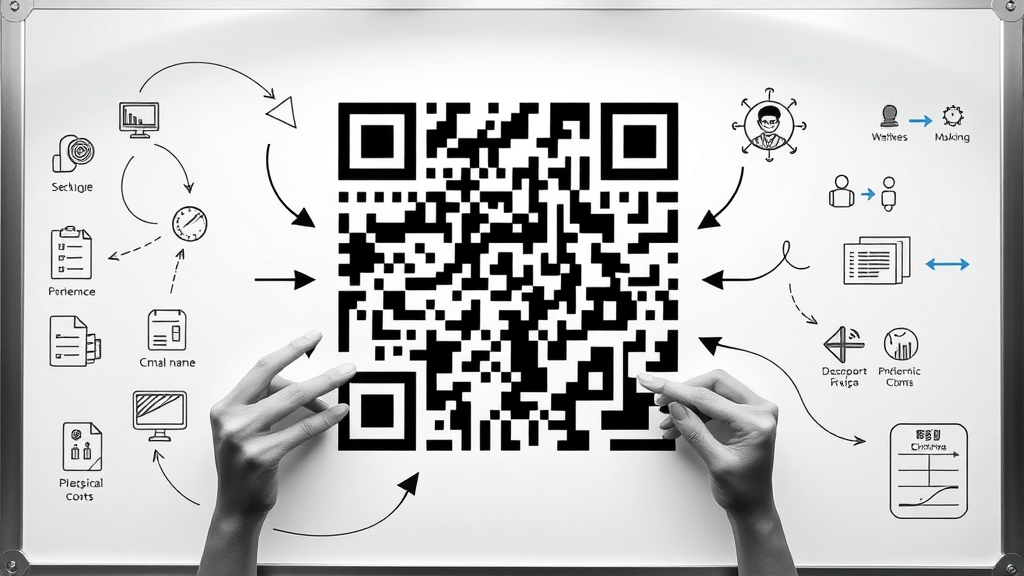
What You'll Learn About QR Code Marketing for Small Business
The latest insights into using QR code marketing for small business
How to integrate QR codes into your marketing strategy for real results
Best practices for creating a QR code and measuring success
How QR codes enhance customer experience and increase engagement
Understanding the Basics: QR Codes and QR Code Marketing for Small Business
What Is a QR Code? A Modern Tool for Small Businesses
A Quick Response code, more commonly known as a QR code, is a two-dimensional barcode that smartphones and tablets can scan to access information quickly. Unlike traditional barcodes, QR codes can store a variety of data types—URLs, contact information, product details, social media links, or landing pages—all within a scannable graphic. For small businesses, QR codes are powerful tools to connect offline materials (like posters, business cards, and packaging) to digital destinations, bridging the physical and digital marketing divide.
The beauty of QR codes lies in their versatility and ease of use: customers can instantly access product information, promotional offers, digital menus, or business contact details simply by scanning with their mobile device. The process is almost frictionless, transforming brochures, flyers, packaging, and even emails into interactive touchpoints. Recent innovations, such as dynamic QR codes, allow businesses to update content behind the code—so you can change your landing page or offer without reprinting marketing materials. As smartphone adoption continues to rise and mobile behavior becomes the norm, QR code marketing for small business offers a direct route to on-demand information and customer engagement.

A Brief History: From QR Codes to Advanced QR Code Marketing Strategies
QR codes were invented in the 1990s by Japanese company Denso Wave, initially to track automotive parts. Their ability to hold significantly more data than traditional barcodes made them invaluable in logistics and manufacturing. Over time, marketers saw their potential for quick data transfer and customer engagement. While QR codes saw slow adoption in the US and Europe in the early 2010s, fueled by the need for special apps, the COVID-19 pandemic drastically accelerated their acceptance. Now, native QR code scanners in smartphone cameras have made QR scans commonplace—especially for contactless menus, product packaging, and social media campaigns.
Today, QR code marketing for small business harnesses the advanced capabilities of dynamic QR codes, custom QR code designs that match brand aesthetics, and integration with advanced analytics platforms. From simple links to rich media content, QR codes now help small businesses run marketing campaigns that are trackable, dynamic, and measurable. The evolution from a supply chain tool to a cross-channel marketing powerhouse has made the QR code an adaptive asset for any business looking to thrive in a digital-first world.
QR Code Types and Their Applications for Small Business Marketing |
||
QR Code Type |
Description |
Common Uses |
|---|---|---|
Static QR Code |
Data is fixed and cannot be changed once created. |
Business cards, contact info, direct website URLs |
Dynamic QR Code |
Content can be updated without changing the printed code. |
Promotions, inventory, analytics, marketing campaigns |
Custom QR Code |
Branded designs using logos, colors, and themes. |
Branding, product packaging, event promotions |
Why QR Codes Work in Modern Marketing Strategy
Reinventing Your Marketing Strategy: Key Benefits of QR Code Marketing for Small Business
Integrating QR codes into your marketing strategy isn’t just about keeping up with tech trends—it's about creating smarter, more interactive touchpoints with your audience. **QR code marketing for small business** offers measurable benefits: it allows you to track real-time customer engagement, link physical marketing materials to digital experiences, and easily update content as campaigns evolve. Dynamic QR codes, in particular, enable small businesses to pivot offers or landing pages without reprinting materials, making them cost-effective and responsive to real-time feedback.
Additionally, QR codes make cross-channel marketing effortless. For example, a QR code printed on a business card can direct customers to a portfolio, a contact form, or your social media page—instantly connecting offline and online worlds. This versatility is crucial for small businesses seeking ways to maximize limited marketing budgets while building brand continuity. Furthermore, dynamic QR codes unlock advanced data and analytics, letting you optimize your marketing campaign based on actual customer interaction, not just guesswork.

QR Code Versatility: From Business Cards to Product Packaging
One of the strongest assets of QR code marketing for small business is unmatched versatility, allowing integration on business cards, product packaging, and social media channels. You can integrate QR codes into virtually every piece of marketing material—printed flyers, posters, storefront displays, product packaging, business cards, receipts, invoices, or even digital screens at checkout. By using custom QR codes with branded colors and logos, you transform a simple black-and-white barcode into an attention-grabbing brand asset that gets scanned, not ignored.
On business cards, a QR code can instantly share contact info or link to a landing page with a digital portfolio or appointment booking form, enhancing your marketing strategy. On product packaging, QR codes provide customers with detailed product details or usage videos, driving post-purchase engagement and customer loyalty. For event promotions, QR codes allow instant registration or add-to-calendar features. The applications are only limited by your creativity and your customers’ needs—making QR codes a kinetic component of any holistic marketing strategy.
Enhancing User Experience and Customer Experience with Dynamic QR Codes
Dynamic QR codes take QR code marketing for small businesses to the next level by enhancing user experience and customer experience through real-time updates and analytics. Instead of leading to a static webpage, dynamic QR codes can redirect users to mobile-friendly landing pages, latest offers, loyalty programs, or personalized campaigns, all updated on the fly. For example, a cafe can update daily menus, a retailer can promote flash sales, and a service provider can shift their booking links—without needing to reissue materials.
This flexibility ensures your audience always encounters relevant, timely information, which increases engagement rates. Furthermore, dynamic QR codes collect valuable user data, such as scan location, time, device type, and more—transforming simple scans into actionable insights. This makes dynamic QR codes a strategic lever for measuring customer engagement and refining your marketing campaign for real results.
Dispelling Myths: QR Codes Aren’t Dead—You’re Just Using Them Wrong
"QR codes are only as effective as the strategy behind them."
Common mistakes small businesses make with QR codes
Examples of failed QR code marketing campaigns—and how to fix them
Despite their significant potential, many businesses misuse QR codes, resulting in disappointing outcomes that fuel misconceptions. Common mistakes include linking QR codes to non-mobile-friendly landing pages, hiding codes in hard-to-find locations, or providing little to no incentive for the user to scan. Far too often, QR codes are treated as afterthoughts—added late to a flyer or business card without consideration for context or value.
Take, for example, a QR code slapped on a poster at a bus stop without mobile optimization—users scan and encounter a slow, unresponsive website, quickly abandoning the experience. Or a code on product packaging that leads to a generic homepage instead of useful product information or exclusive content. The fix? Start every QR code marketing campaign by asking: What value does my customer get by scanning? Is the experience seamless, engaging, and trackable? Align your strategy with these principles, and QR codes will become one of your most reliable marketing allies.
How to Create a QR Code That Boosts Your Small Business
Choosing a QR Code Generator Designed for Small Business Marketing
Your first step in any effective QR code marketing for small business is selecting a reliable QR code generator that supports dynamic QR codes, custom QR code designs, and detailed analytics to optimize your marketing campaign. Not all QR code generators are built with small business needs in mind—choose one that offers features such as dynamic QR codes, customizable designs, analytics, and error correction. Popular options include QR Code Generator, QR.io, and Beaconstac, many of which let you create branded or custom QR codes without coding. Look for platforms that provide real-time analytics, mobile device compatibility, and seamless integrations with your digital marketing tools.
A good QR code generator should allow you to generate and manage multiple codes from a dashboard, update links post-print (via dynamic QR codes), and create codes that match your brand’s look and feel. For businesses experimenting across multiple marketing channels—product packaging, business cards, social media, or landing pages—selecting a versatile tool can significantly boost your marketing strategy’s effectiveness, ensuring measurable performance and an excellent user experience.
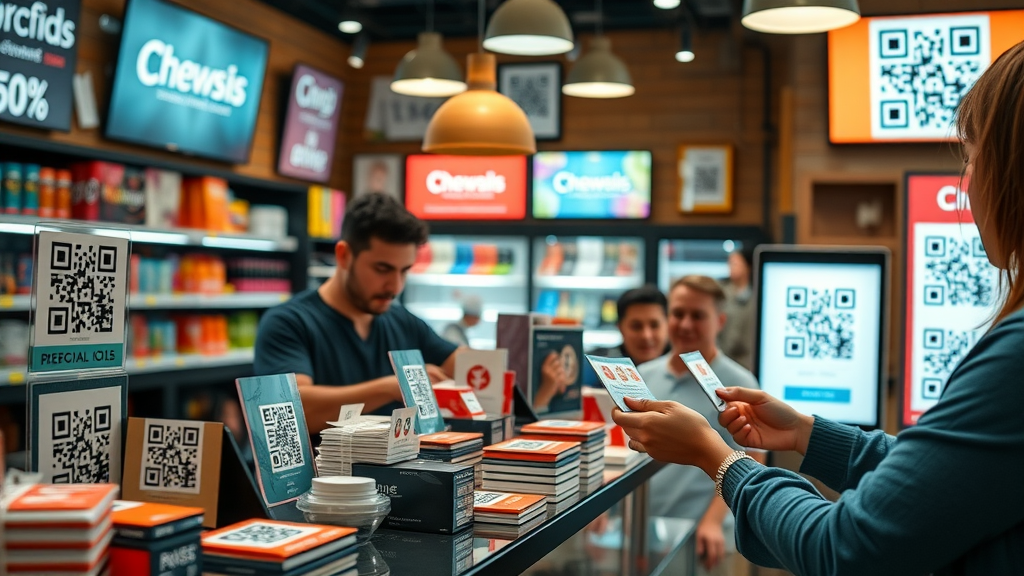
Step-by-Step: Create a QR Code or Custom QR Codes with Impact
Creating impactful QR code marketing campaigns comes down to following the right steps to create a QR code and leveraging available technology like dynamic QR codes and custom QR code designs for maximum engagement. Here’s a streamlined process for small businesses to create a QR code that delivers measurable results and enhances customer engagement:
Define your business goals: Decide what action you want users to take—visit a landing page, follow on social media, submit a review, or view product information.
Choose the right QR code generator: Select a platform that supports dynamic QR codes, analytics, and custom designs, ensuring long-term campaign flexibility.
Select static or dynamic QR codes: Use dynamic codes for content that may change or requires analytics, static for permanent, unchanging links (like a contact information page).
Design custom QR codes for your branding: Customize with your brand colors, logo, and call-to-action for greater visibility and higher scan rates.
Test your QR code on multiple devices: Ensure your QR code works seamlessly across various smartphones and tablets and always redirects to a mobile-optimized destination.
By following these steps, you create a QR code campaign that’s effective, attractive, and measurable—enabling your marketing strategy to achieve its fullest potential.
How to Integrate QR Codes Into Your Digital Marketing and Marketing Campaigns
Integrating QR codes into your digital marketing arsenal involves more than just generating a code; it requires linking each QR code to a mobile-optimized landing page and embedding it strategically within your marketing campaign to boost user experience. Start by identifying all customer touchpoints—flyers, business cards, invoices, product packaging, social media posts, and storefront signage—where a scannable code can enhance the user experience or streamline a customer journey. Next, link each QR code to a specific, mobile-optimized landing page tailored to the campaign objective, whether it’s generating leads, collecting feedback, or showcasing exclusive offers.
Promote your QR codes across your marketing materials with clear calls to action, such as “Scan to unlock your discount” or “Leave a review.” Think cross-channel synergy: use one QR code on printed menus to grow your social media following, another on receipts for post-purchase surveys, and dynamic codes on packaging for ongoing promotions. Integrating QR code marketing for small business in this way ensures that every campaign touchpoint serves a clear, measurable role in your overall marketing strategy.
Advanced QR Code Marketing Strategies for Small Business
Deploying QR Codes on Business Cards, Social Media, and Product Packaging
Advanced QR code marketing means embedding custom QR codes in places where customer engagement is most likely and impactful, such as business cards, social media, and product packaging. On business cards, QR codes allow customers to instantly save your contact info, access your LinkedIn profile, or schedule an appointment. In social media marketing, QR codes on profile images and cover photos can drive offline traffic directly to online platforms, joining audiences seamlessly across channels. On product packaging, QR codes can unlock exclusive content, how-to videos, care instructions, or loyalty programs—adding post-purchase value and increasing repeat sales.
With the rise of contactless transactions and social distancing, using QR codes for digital menus, event check-ins, and registration is now common, even expected, by many consumers. Small businesses can further differentiate themselves by designing custom QR codes that match their branding, fostering recognition and trust while making the process both interactive and memorable. The real value lies in creative, thoughtful integration—ensuring your codes always lead to meaningful and mobile-friendly customer experiences.
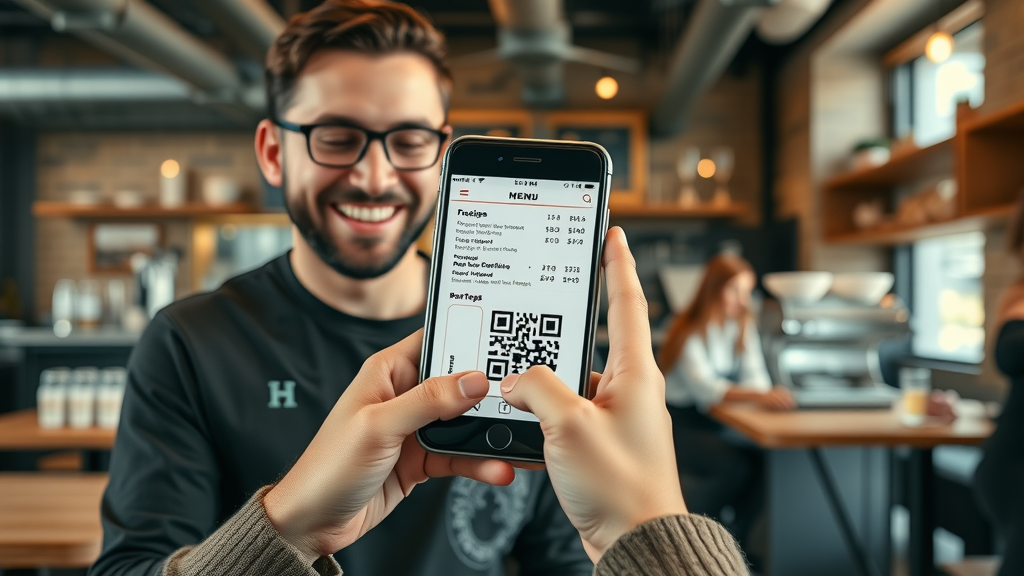
Linking QR Codes to Landing Pages, Special Offers, and Cross-Channel Campaigns
The true strength of QR code marketing for small business becomes clear when linking codes to dedicated landing pages, exclusive promotions, and cross-channel marketing campaigns. Instead of directing users to a generic homepage, send them to personalized thank-you pages, coupon offers, product demos, or event RSVPs. Smart use of landing pages—designed to match both the campaign and the mobile device—improves conversion rates and boosts user engagement, making every scan purposeful.
For cross-channel synergy, create a QR code that launches a Messenger chat, sign-ups for a newsletter, or direct traffic to Instagram highlights. Integrate campaign tracking UTM parameters to measure which channel is delivering the most engagement or conversions. By associating each QR code in your marketing campaign with a unique, analytics-enabled landing page, you gain valuable data while providing a seamless customer journey from scan to action.
Leveraging Dynamic QR Code Capabilities for Real-Time Analytics
Dynamic QR codes aren’t only about changing the destination behind the code—they’re also essential for real-time analytics, enabling small businesses to optimize their marketing campaigns and improve customer experience. With a dynamic QR code, you gain insights into when, where, and how people scanned your code, what actions they took, and which campaigns performed best. These analytics can highlight high-performing materials—such as which product packaging or business cards drove the most customer engagement—allowing you to double down on what works and retire underperforming campaigns.
Armed with these real-time metrics, small businesses can optimize future marketing strategies, tailoring offers to specific locations, demographics, or customer behaviors. Additionally, by experimenting with A/B testing on QR code actions (such as sending one group to a promotional landing page and another to a product video), you can refine customer experiences further. In short, dynamic QR code analytics transform every scan into actionable business intelligence.
Measurement and Optimization: Tracking QR Code Marketing for Small Business
How to Measure User Engagement and Customer Experience with QR Codes
The effectiveness of QR code marketing for small business depends on your ability to measure user engagement and customer experience through analytics and optimize your marketing campaign accordingly. Key metrics include scan rates (number of unique and repeat scans), time of day, location, device type, and subsequent user behavior on your landing page or campaign destination. For dynamic qr codes, your analytics dashboard should track each scan event, customer journey, and conversion to gauge true campaign ROI.
These analytics help you answer vital questions: Are more customers scanning QR codes on business cards or product packaging? Which landing pages drive the highest engagement? What call-to-action wording performs best? Leveraging these insights, you can tweak everything—from code placement to offer copy—to deliver a customer experience that keeps improving with every new campaign.
Key Performance Indicators (KPIs) for QR Code Marketing Campaigns |
||
KPI |
Description |
Why It Matters |
|---|---|---|
Scan Rate |
Number of times a QR code is scanned |
Measures initial user engagement and reach |
Conversion Rate |
Completed desired actions after scan (e.g., purchase, signup, review) |
Indicates campaign effectiveness |
Device Type |
Tracks which mobile devices are used to scan |
Helps optimize content for top devices |
Location Data |
Where users scan your QR codes |
Informs regional targeting and campaign placement |
Event Tracking |
User behavior after the scan |
Refines landing pages and call-to-action for better results |
Optimizing Future Marketing Strategies Based on QR Code Analytics
Analytics are only as valuable as the actions they inspire. Regularly review your QR code campaign data—identifying trends in time, location, and device type. For example, if scan rates slump on certain marketing materials, reposition or redesign the code, or experiment with a more compelling call-to-action. Use A/B testing to refine landing pages, swap special offers, or adjust content for different audience segments.
Furthermore, integrate feedback loops by inviting customers to review their experience post-scan. Use this customer data to tweak not only the destination linked to your QR codes but also your entire marketing strategy. Embracing an iterative approach ensures your qr code marketing efforts remain relevant, resonant, and ROI-positive.
Ensuring a Seamless User Experience with QR Code Marketing for Small Business
Tips for improving customer experience
Mobile-friendly landing pages
Clear calls-to-action in QR code campaigns
Avoiding technical pitfalls that hinder QR code effectiveness
For qr code marketing for small business to truly deliver, the actual scanning experience must be fast, frictionless, and rewarding. Always link QR codes to landing pages designed specifically for mobile devices—pages that load quickly, are easy to navigate, and provide exactly what your call-to-action promised. Include bold, clear instructions (“Scan to get 15% off now!”), and test the code across different smartphone models before launching a campaign.
Avoid rookie mistakes: never hide QR codes in crowded layouts, use low contrast colors that blend into backgrounds, or direct customers to sites requiring extra downloads or logins. By making every scan easy, intuitive, and valuable, you enhance customer experience and boost the likelihood of repeat engagement—turning your QR codes into a beloved brand touchpoint.

Practical Applications: QR Code Marketing Inspiration for Small Business
From Retail to Services: Creative Small Business QR Code Uses
Contactless menus and ordering
Event registrations
Collecting reviews and testimonials
Driving traffic to social media channels
QR code marketing for small business is only limited by your imagination. In retail, use QR codes for contactless checkout, post-purchase surveys, or membership program registration. For salons, spas, or restaurants, printed codes enable touch-free menus, booking confirmation, or customer feedback. Event organizers use codes for instant attendee registration, ticket validation, or access to special event content.
Service providers, consultants, or home-based businesses can use QR codes on business cards or invoices to direct clients to calendars, digital portfolios, or payment links. And for social media-savvy businesses, a single QR code can simplify following all your profiles or joining ongoing promotions, bringing digital marketing full circle. The possibilities are as broad and creative as your business ambitions.
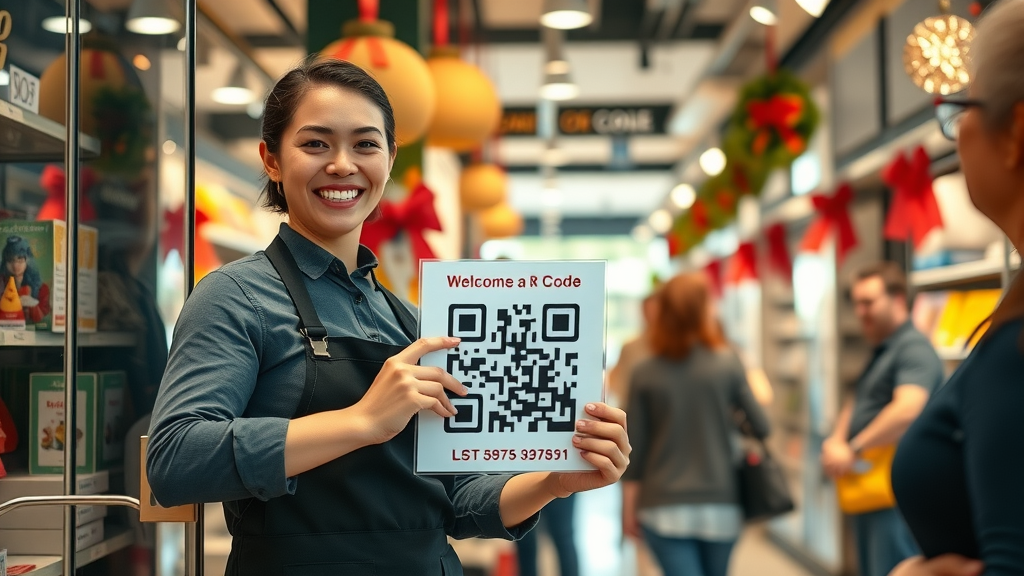
Boosting Your Marketing Strategy with Custom and Dynamic QR Codes
Custom and dynamic QR codes are the next evolution in engaging customers and personalizing campaigns. By integrating your brand’s logo, colors, and custom designs into each QR code, you make the experience uniquely yours—helping customers recognize your brand at a glance. Dynamic QR codes let you change final destinations based on needs, timing, or customer behavior, ensuring that every scan remains relevant and exciting.
Use dynamic QR codes to split-test promotions, personalize follow-ups, or adapt offers in real time. This data-driven, customer-centric approach boosts both marketing efficiency and customer satisfaction, empowering small businesses to compete head-to-head with larger players in digital marketing innovation.
People Also Ask: Essential QR Code Marketing for Small Business Questions
How to use QR codes to promote your business?

To promote your business with QR codes, add them to your business cards, flyers, product packaging, or storefront signs and link each code to a mobile-friendly landing page, special offer, contact form, or social media profile. Use dynamic QR codes to easily update promotions or messaging as needs change. Always include a clear call-to-action so customers know exactly why to scan. This approach creates instant engagement while expanding your reach across digital and physical marketing campaigns.
What is the downside of QR codes?
The biggest downside of QR codes is poor user experience due to improper implementation—such as codes leading to non-mobile-optimized pages, complicated login forms, or websites that fail to load. Additionally, if customers don’t know what value they’ll get by scanning or if codes are poorly placed, they’ll be ignored. Avoid these pitfalls by focusing on user experience, offering clear, immediate value, and thoroughly testing every campaign before launch.
Can I take payments with a QR code?
Yes, you can absolutely accept payments with a QR code—many payment processors and apps (like PayPal, Square, and Stripe) offer QR code payment options. Customers simply scan the code at checkout with their mobile device, are redirected to a secure payment page, and complete the transaction. This makes QR code payments quick, contactless, and ideal for small business retail, pop-ups, events, and service providers.
How to attract people to scan QR code?
To encourage scans, make your QR codes visible and visually inviting, use clear CTAs (“Scan for 10% off!”), place them where customers naturally pause (like checkout counters or packaging), and design custom QR codes that stand out. Offering exclusive incentives—discounts, loyalty points, or exclusive content—also increases scan rates. Make sure the post-scan experience is valuable and effortless to maximize engagement.
Expert Quotes on QR Code Marketing for Small Business Success
"For small businesses, QR codes deliver measurable cross-channel marketing power when used creatively and strategically." — Digital Marketing Consultant
Key Takeaways: Maximizing QR Code Marketing for Small Business
QR code marketing for small business remains highly effective when supported by a strong marketing strategy.
Dynamic and custom QR codes offer rich data and user engagement possibilities.
Continuous measurement and optimization are crucial for success.
Integrate QR codes across your business card, product packaging, landing pages, and social media for true cross-channel synergy.
Frequently Asked Questions: QR Code Marketing for Small Business
What industries benefit most from QR code marketing for small business?
How do I choose a reliable QR code generator?
Are dynamic QR codes better than static QR codes for small businesses?
How can I track the performance of my QR code marketing campaign?
Conclusion: Energize Your Future with QR Code Marketing for Small Business
QR code marketing for small business isn’t dead—it just requires smarter strategy, user-focused design, and continual optimization.
Ready to Revive Your Small Business Marketing Strategy?
Is your Marketing Limping Along? Would you like your strategies to Work Together Seamlessly and Effectively? Download the “The Ultimate Small Business Cross-Channel Marketing Checklist” and unlock new levels of engagement and growth!
Sources
To enhance your understanding of QR code marketing for small businesses, consider exploring the following resources:
“8 QR Code Marketing Ideas for Small Businesses (+ Examples)”: This article provides practical ideas and real-world examples of how small businesses can effectively integrate QR codes into their marketing strategies. (fitsmallbusiness.com)
“QR Codes for Small Businesses: 10 Ways to Use Them”: This resource outlines ten innovative ways to utilize QR codes, from driving website traffic to offering discounts and enhancing customer engagement. (bitly.com)
These articles offer actionable insights and examples to help you effectively implement QR codes in your marketing efforts.




Write A Comment