 Add Row
  Add
Add 


Have you ever wondered why two businesses can spend the same amount on Google Ads but get wildly different results? The real cost of Google Ads is surrounded by complexities that most advertisers overlook—costs aren’t just about budget, but about strategy, quality, and constant adjustment. Whether you’re a small business owner launching your first campaign or a seasoned marketer seeking better returns, understanding Google Ads costs from the inside out is the critical—and often missing—key to maximizing your ad spend and ROI. In this expert-backed guide, we break down the true drivers of ads cost, dispel common misconceptions, and reveal actionable steps to take control of your digital ad budget.
Unlocking the Real Cost of Google Ads: What Drives Your Ad Spend?
The cost of Google Ads isn’t fixed—it’s dynamically shaped by a blend of competition, keyword selection, industry benchmarks, and your own campaign decisions. Many businesses set a monthly ad budget without realizing how factors like quality score, ad rank, ad copy, and audience targeting can cause ads cost to swing significantly up or down. Realistically, your ad spend is impacted not just by how much you’re willing to pay, but by how well you align bid strategies, match types, landing pages, and optimization tactics with Google’s ever-evolving auction system.
Unlocking cost efficiency begins with understanding what actually drives your costs. Google Ads operates on a sophisticated auction model, where every ad impression triggers real-time bidding against competitors for valuable placement. If you’re relying solely on set-it-and-forget-it budgets, you’re missing opportunities to lower CPC and squeeze more conversions from your investment. This is why we’ll go beyond surface-level insights and delve into expert advice and proven methods to optimize your Google Ads account for smarter, more profitable ad spend.

“Many advertisers underestimate the true factors influencing the cost of Google Ads, often missing crucial optimization opportunities.” – Digital Marketing Expert
What You'll Learn About the Cost of Google Ads
What impacts Google Ads cost
How ad budget, quality score, and ad rank affect overall spending
Industry averages for Google Ads cost
Strategies to optimize ad spend and lower cost per click
Insights into navigating ads pricing and maximizing the effectiveness of every dollar
The Cost of Google Ads Explained
What Is the Cost of Google Ads and Why Does it Matter?
The cost of Google Ads refers to what advertisers pay each time a user clicks on their ad or views it, depending on the pricing model chosen. It’s usually measured as cost per click (CPC) or cost per thousand impressions (CPM) for display and video formats. Why does it matter? Because every cent spent—or wasted—directly impacts ROI. Without understanding the mechanics behind ads pricing, it’s easy to burn through your ad budget with little to show for it. Businesses in highly competitive sectors often see higher costs, while niche markets or campaigns targeting long-tail keywords may enjoy a lower CPC with the right strategy.
Ultimately, the importance of knowing your Google Ads cost lies in your ability to set realistic campaign goals, optimize for quality, and avoid common pitfalls that inflate spending. When advertisers ignore key factors such as ad relevance, landing page experience, and ad rank, the cost of each click can skyrocket, damaging campaign profitability. Transparent understanding of Google’s ad auction gives you an edge, making every ad spend count toward real business outcomes.

Key Terms: Google Ads Cost, Cost Per Click, Ads Pricing, and Ad Budget
To fully grasp Google Ads costs, it’s essential to clarify some foundational terms. Ads cost (or total ad spend) is the cumulative amount spent across your campaigns. Cost per click (CPC) is what you pay each time someone clicks your ad. Ads pricing refers to how Google determines the amount you’re charged, which factors in your bid, competition, ad quality, and expected impact. Your ad budget is the ceiling you set for daily or monthly spend—but that doesn’t mean you should always spend to the max. Optimizing for quality score and refining ad copy can help reduce your Google Ads costs and improve your return on investment.
Your campaign’s success relies on balancing these terms. For instance, a high ad budget with poor ad quality or irrelevant keywords can lead to high ads costs and low results. Conversely, a small business with a focused ads account and optimized landing page experience can punch above its weight, generating leads at a fraction of the average cost per click. Understanding these terms prepares advertisers to navigate Google’s advertising auction and avoid unnecessary ads cost escalation.
Breaking Down Google Ads Cost vs. Other Digital Advertising Options
Not every digital advertising platform is created equal when it comes to pricing, targeting, and results. While Google Ads offers robust access to the world’s largest search engine, platforms like Facebook, LinkedIn, and Instagram have their own pricing models and audience strengths. Comparatively, Google Ads cost often varies based on industry, with competition and keyword intent affecting the average CPC. Facebook tends to have lower CPCs but emphasizes demographic targeting over search intent, while LinkedIn commands premium prices for B2B but offers unique audience segmentation.
Choosing between display network, search network, or even paid search ads hinges on understanding your business goals and measuring each channel’s ROI. Sometimes, blending a Google Ads account strategy with supplementary social campaigns yields the best overall cost efficiency and visibility, especially for small businesses looking to stretch their marketing dollars.
Platform |
Features |
Average Cost Per Click |
Audience Reach |
|---|---|---|---|
Google Ads |
Search & Display Network, Intent-based, Robust Reporting |
$2.50 (average CPC) |
3.5+ billion searches/day |
Facebook Ads |
Demographic Targeting, Social Context, Retargeting |
$0.97 (average CPC) |
2.8+ billion monthly users |
LinkedIn Ads |
B2B Targeting, Professional Audiences |
$5.26 (average CPC) |
900+ million professionals |
Instagram Ads |
Visual Storytelling, Young Audiences, Mobile-first |
$1.20 (average CPC) |
2+ billion active users |
Average Cost of Google Ads: What You Should Expect to Pay

Understanding Average Cost Per Click in Google Ads
For most advertisers, the average cost per click (CPC) is the key metric for managing Google Ads cost. Across all industries, the typical CPC ranges from $1 to $4 on the search network, and often less on the display network. However, this average can be deceptive; some highly competitive industries such as finance, legal, or insurance frequently exceed $20 per click, while niche markets or local service providers may keep expenses below $2 per click. Several factors—including ad rank, quality score, and keyword competition—combine to set your final CPC. It’s crucial to use Google Analytics to continuously monitor your campaigns and make informed spending adjustments.
To control your overall ad spend, always benchmark your own performance against industry averages and review your keyword bids, ad copy relevance, and landing page experience. Lowering your CPC isn’t just about bidding less; it’s about boosting your ad’s quality, targeting the right keywords, and choosing the best match types. These small but powerful adjustments can add up to significant savings, especially if you’re working with a limited monthly budget.
Average CPC by Industry and Keyword Competition
Industry matters immensely when it comes to ads pricing. For instance, businesses operating in legal, finance, or health care will encounter vastly higher Google Ads costs due to fierce competition. Industries with low competition or more transactional intent—think local services or crafts—enjoy lower costs but must still manage their accounts effectively to avoid wasted spend. Keep in mind, too, that higher competition keywords with strong intent almost always come with higher CPCs; knowing which battles to fight can help you set a realistic ad budget and maximize returns from your monthly spend.
Understanding this breakdown helps set the right expectations for your ads costs, particularly if you’re entering a new vertical or seeking to expand your reach with Google paid search campaigns.
Industry |
Average CPC |
Average Monthly Ad Spend |
|---|---|---|
Legal |
$6.75 |
$5,000 – $40,000+ |
Finance & Insurance |
$3.44 |
$2,500 – $15,000 |
Retail |
$2.66 |
$1,000 – $10,000 |
Home Services |
$2.41 |
$900 – $6,500 |
Real Estate |
$2.37 |
$1,500 – $10,000 |
Technology |
$3.80 |
$2,000 – $12,000 |
How Google Ads Pricing Models Impact the Cost of Google Ads
Google uses several pricing models—CPC (cost per click), CPM (cost per thousand impressions), and CPA (cost per acquisition)—each affecting your ads cost and budget control differently. The most common, CPC, suits advertisers who value website traffic or leads, while CPM works best for brand awareness campaigns. CPA, on the other hand, focuses spending directly on conversions but usually requires more data and strategic setup. Understanding the nuances of Google Ads pricing empowers you to steer your ad spend toward outcomes that fit your business goals, rather than just clicks or impressions.
It's vital to choose the right pricing model based on your objectives. For instance, a local business may maximize value on a modest monthly budget by targeting lower competition keywords and optimizing for high quality score to lower CPC over time. Meanwhile, companies launching seasonal promotions might benefit from CPM for maximum visibility in short bursts. The key is to continually analyze campaign data and adapt pricing strategies, using Google Analytics and regular reporting to ensure each dollar spent delivers measurable results.
Key Factors That Influence the Cost of Google Ads
Ad Budget: How Much Should You Invest in Google Ads?
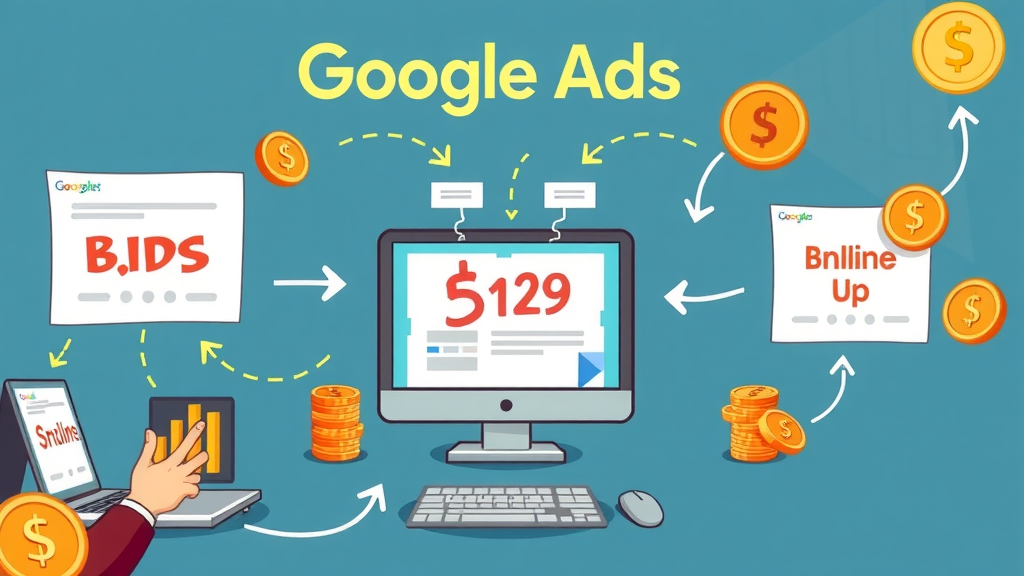
Setting your ad budget is more strategic than simply picking a comfortable number. Factors such as industry competition, keyword intent, and desired campaign reach must all be weighed against your business goals. Some businesses start with as little as $5 a day for hyper-local campaigns, while others commit to thousands per month to dominate in competitive sectors. The trick is not just to spend more, but to spend smarter—aligning budget allocation with the keywords, ad groups, and targeting options that drive genuine ROI.
As you monitor campaign metrics—like cost per click, average CPC, and conversion rates—it’s essential to adjust your monthly budget based on actual performance rather than gut feeling. Even with a limited ad spend, regular optimization lets small businesses outperform competitors who aren’t as invested in quality score improvement or ad group structure. The more closely you track your ads account, the better you can allocate budget for future gains.
Quality Score, Ad Rank, and Their Impact on Google Ads Cost
Quality score is one of the most important drivers of your ads cost. Google scores each keyword based on expected click-through rate, ad relevance, and landing page experience. Higher quality scores lead to lower CPC and better ad positions even with lower bids—helping you control costs and maximize ad budget efficiency. Similarly, ad rank is a key factor: it combines bid amount, quality score, and the expected impact of ad formats and extensions to decide placement.
Focusing on these areas ensures your ads are shown to the right people, at the right time, for the right price. For advertisers, prioritizing quality score enhancements through stellar ad copy, highly relevant keywords, and engaging landing pages should be ongoing. Over time, these optimizations reduce ads costs, driving more conversions from the same (or even lower) ad spend.
How the Google Ads Auction Works: Ads Account, Bidding, and Ad Spend
Every time a user runs a Google search, an instant auction determines which ads appear—and how much each advertiser pays. Your ads account enters the auction when your campaign’s keywords match a query. Google weighs your bid, quality score, and ad rank against those of competitors. The highest ad rank wins, but you’re often only charged the minimum amount needed to beat the next-best competitor. This is why strategic bidding (target CPA, maximize conversions) and frequent account audits are crucial.
Advertisers can further optimize costs by refining bid strategies, focusing on ad relevance, and ensuring positive landing page experiences. Google’s auction rewards advertisers who deliver consistent value to users, not just those with the largest ad budgets. By understanding and adjusting key auction variables, companies can reduce ad spend, boost placement, and ultimately lower CPC—sometimes dramatically.
Bid strategies
Ad relevance
Landing page experience
Expected impact of extensions and other ad formats
Maximizing Your Google Ads Budget: Lower Costs, Higher Results
Tips for Lowering Your CPC and Google Ads Costs
Lowering your CPC is the surest way to stretch your ad budget and boost profits. Start by improving quality score: create highly relevant ad copy, group keywords by intent, and focus on the landing page experience. Employing negative keywords helps prevent wasted spend on irrelevant clicks. Next, refine ad targeting to reach your best prospects without overpaying for broad, competitive queries. Don’t forget to regularly test and optimize your ads; even small changes in ad copy or match types can make a big difference over time.
Continual improvement leads to a cumulative effect on ads cost control. A disciplined approach to keyword research, landing page optimization, and performance analysis ensures you always know which campaigns need budget reallocations—or which should be paused to prevent higher costs with low returns.
Enhance quality score
Improve landing pages
Employ negative keywords
Refine ad targeting
Optimize ad copy
Monitoring and Adjusting Your Ads Account for Optimal Ad Spend
To truly master the cost of Google Ads, regular monitoring is non-negotiable. Use detailed account reports in Google Analytics and the Ads dashboard to review which campaigns, ad groups, and keywords are delivering the best ROI. Look beyond clicks—focus on conversion rates, cost per acquisition, and customer lifetime value. Rapid adjustments (such as reallocating ad budget, tweaking bids, adding negative keywords, and updating ad copy) can make the difference between an effective account and one that hemorrhages funds.
Set a recurring schedule for campaign reviews—weekly is ideal, but at minimum once per month. Over time, diligent performance tracking empowers even the smallest advertiser to adapt nimbly, catch problems before they snowball into higher costs, and double down on what’s working. Remember: successful Google Ads management is about constant evolution, not one-time setup.

Best Practices for Small Businesses to Control Ads Cost and Ad Budget
Small businesses often have tighter ad budgets and need to show results quickly. Start by prioritizing campaigns with the highest likelihood of conversion—think local targeting, limited keyword sets, and compelling offers. Carefully monitor ads costs and refine your ads account structure with clear ad groups and focused intent. Leveraging negative keywords, optimizing landing pages, and keeping ad copy highly relevant are essential steps. Always use performance data—never guess—to drive adjustments.
Review your monthly budget and scale up gradually as you identify winning campaigns. Consistent tracking and rapid tweaking will ensure that no dollar is wasted and every ad spend moves the needle toward real growth.
"For small businesses, every dollar counts, making it vital to optimize Google Ads campaigns with data-driven decisions."
People Also Ask About the Cost of Google Ads
Is $100 Enough for Google Ads?
While $100 can provide useful data and some exposure, effectiveness depends on your industry’s average CPC and competition. Strategic targeting and bidding are key to getting results from a small ad spend.
Is $20 a Day Good for Google Ads?
$20 a day, or approximately $600 a month, is a solid starting point for many industries, allowing sufficient impressions and test campaigns—especially for small businesses.
Is $5 a Day Good for Google Ads?
$5 a day can work as a micro budget for niche keywords or hyper-local targeting but may limit exposure and learning opportunities for optimizing Google Ads cost.
How Much for 1000 Impressions on Google?
The cost for 1,000 impressions (CPM) varies widely by industry and keyword competition, typically ranging from $2 to $10 or more based on targeting.
Expert Advice: Navigating Google Ads Account Set Up and Ongoing Ads Spend
Essential Steps for Creating an Effective Google Ads Account
Define your campaign goals
Select the right keyword match types
Structure ads and ad groups for control
Set and review ad spend limits
Why Landing Page Quality Matters for Google Ads Cost
Your landing page is where ads costs turn into conversions. A relevant, fast-loading, and user-friendly page not only increases conversion rate but also boosts your quality score, leading to a lower CPC and higher ad rank. Poor landing pages—slow, cluttered, or off-topic—result in higher bounce rates and wasted budget. Make it a priority to continually optimize page experience, align copy with the ad’s promise, and always include clear calls to action tailored to your target audience.
Strong landing pages are crucial for securing favorable ads pricing in the Google auction. Investing in landing page improvements is an investment in ad cost reduction and better ROI down the line.

"Optimizing your landing page not only increases conversions but can also lower your Google Ads cost by boosting your quality score."
Evaluating Ads Performance: Monthly Budget Adjustments & Reporting
Ongoing reporting is at the heart of a mature Google Ads strategy. Monthly reviews let you see which campaigns drive results, which drain your ad budget, and where opportunities exist to double down for better returns. Use reporting dashboards to track cost per click, conversion rates, total ad spend, and ROI. Adjust your budget allocation to support top performers and cut underachievers. Reports provide actionable insights that prevent higher costs from creeping in unnoticed—make them a habit, not an afterthought.
Don’t forget to factor in seasonality and market shifts, especially for industries with fluctuating demand. Consistent, data-driven decisions are key to staying competitive in the Google Ads marketplace.

Common Mistakes Leading to High Google Ads Costs
Focusing only on short-tail keywords
Forgetting negative keywords
Ignoring quality score impacts
Poor ad group structuring
Not adjusting ad budget based on performance data
Frequently Asked Questions (FAQs) on Cost of Google Ads
How long does it take to see results with Google Ads?
Google Ads can generate impressions and clicks within hours, but optimal results often take 1–2 months of ongoing optimization to see stable cost and conversion patterns.Does Google Ads cost vary for different ad formats?
Yes, Search ads, Display ads, Video ads, and Shopping ads all have varying pricing models and average CPCs based on placement and competition.What is a good CPC for my industry?
A “good” CPC is one that yields a positive ROI. Use industry averages as a guide, but factor in conversion rates and business goals when evaluating performance.How often should I review and adjust my ad budget?
Regular weekly or monthly reviews are recommended to catch underperforming campaigns and reallocate spend to maximize efficiency and ROI.Can you set a monthly maximum ad spend in Google Ads?
Yes, Google Ads allows you to set daily and monthly caps to prevent overspending and keep your account within budget.
Key Takeaways: Mastering Cost of Google Ads for Maximum ROI
Understanding Google Ads pricing models helps set realistic budgets
Optimizing for quality score and ad rank lowers costs
Smart budget management maximizes ROI for small businesses
Regular analysis and adjustment of campaigns is essential
Conclusion: Take Control of Your Google Ads Cost and Maximize Your Ad Spend
Cost of Google Ads doesn’t have to be a mystery. With expert strategies, clear understanding of factors impacting your ad spend, and ongoing optimization, your campaigns can yield greater results for every dollar spent.
Ready to Optimize Your Google Ads Cost? Download Your Retargeting Guide Now!
Are you letting Potential Sales Walk out the Door without following up? Recapture Lost Sales with Retargeting Strategies by Downloading your copy of "The Ultimate Guide to Retargeting for Small Businesses – Your Complete Blueprint to Winning More Sales!" at this link.
For More Information on this Topic, Go To our online marketing magazine "Effective Marketing Strategies" at this Link.
Video Resource:
Explainer: How Google Ads Cost is Calculated—From Auction to Ad Spend
Sources
Understanding the cost of Google Ads is crucial for optimizing your advertising budget and maximizing return on investment. The average cost per click (CPC) varies significantly across industries, influenced by factors such as competition, keyword selection, and ad quality.
For instance, in 2025, the average CPC for Google Ads is reported to be $5.26. (wordstream.com) However, this figure can fluctuate based on industry-specific factors. For example, the legal services sector often experiences higher CPCs due to intense competition, with averages reaching up to $6.75 per click. (lyfemarketing.com)
To gain a comprehensive understanding of Google Ads costs and strategies to optimize your ad spend, consider exploring the following resources:
“How Much Does Google Ads Cost in 2025? | WordStream” (wordstream.com)
“How Much Does Google Ads Cost in 2025? - LYFE Marketing” (lyfemarketing.com)
These articles provide detailed insights into the factors influencing Google Ads pricing and offer practical tips for managing your advertising budget effectively.




Write A Comment