



What You’ll Learn
What is social proof in marketing and why it matters for brands
The psychology behind social proof and consumer behavior
Types of social proof with practical examples
How to leverage social proof in digital and social media marketing
The role of influencer marketing and customer reviews
Common pitfalls and best practices
Measuring the impact of social proof on your marketing success
Real-world case studies, future trends, and action steps to get started
How Social Proof in Marketing Drives Influence: A Startling Look at Consumer Behavior
Did you know that 92% of consumers trust peer recommendations over advertising ? This compelling insight highlights just how pivotal the power of social proof is in driving purchasing decisions and shaping marketing outcomes.
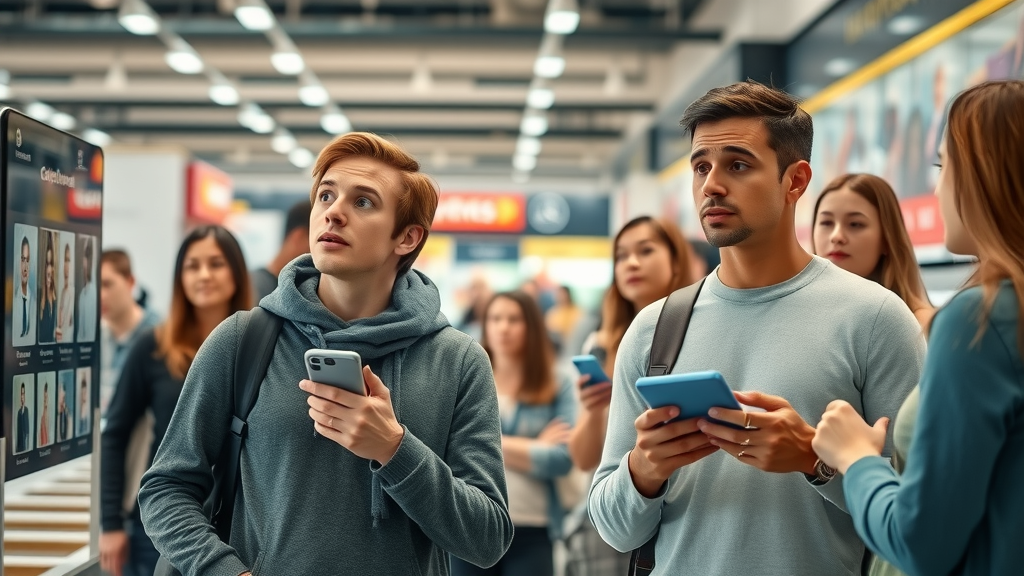
When people see others buying, endorsing, or even just showing interest in a product or service , it powerfully affects their decision-making. Social proof is a psychological phenomenon—when uncertain, consumers look to the actions of others for guidance. For example, if shoppers see a store bustling with customers or a website displaying hundreds of glowing reviews, they're more likely to believe in the quality and trustworthiness of that brand.
This dynamic goes beyond mere impressions; it drives conversion rates and fosters loyalty. Shoppers exposed to positive customer testimonials or real-time purchase data on a landing page move faster in the buyer's journey and feel more confident about their choices. Studies by the Northwestern Medill Spiegel Research Center indicate that displaying your customer reviews can increase conversions up to 270% . Social proof removes hesitation by providing immediate, relatable validation from peers, making it a potent tool for both online and offline brands.
Defining Social Proof in Marketing and Its Core Role for Brands
Social Proof: The Marketing Principle You Can't Ignore
Explore how what is social proof in marketing establishes credibility and reduces consumer hesitation through validation.
At its core, what is social proof in marketing ? It's leveraging the influence of others' actions and opinions to validate a business, product, or service . Whether it's user reviews, expert endorsements, celebrity backings, or sheer popularity, brands use these signals to build trust and credibility. The underlying message: “Others like you have made this choice—so it must be right.”
This validation instantly elevates trust. Potential customers witnessing others supporting a brand—through testimonials, case studies, or visible engagement—are much more likely to convert. Social proof serves as a shortcut for decision-making and makes your offering stand out in a crowded marketplace. It cuts through skepticism and helps people make confident, informed choices about your products or services.
The Power of Social Proof: Why Every Marketer Should Care
Leveraging Social Proof to Increase Conversions and Build Trust
Discover the psychological mechanisms that make social proof a conversion powerhouse.
The power of social proof lies in its ability to both build trust and increase conversion rates. When potential customers see proof that others endorse a product or service , it triggers a psychological shortcut, making decisions easier and quicker. User reviews, visible customer testimonials , and sharing success stories on your landing page are prime examples of leveraging social proof to foster credibility.
Moreover, the presence of social proof not only boosts initial interest but also encourages engagement and loyalty. People want to belong—and buying decisions are an extension of this desire. Marketers who embed social proof effectively in their campaigns see consistent improvements in engagement, click-throughs, and sales. In short, if you want to turn browsers into buyers, integrating social proof into your entire marketing campaign is non-negotiable.
The Main Types of Social Proof in Marketing: Building Influence from Every Angle
Types of Social Proof Every Brand Should Know
Comparison of the Main Types of Social Proof |
||
Type |
Example |
Effectiveness in Campaigns |
|---|---|---|
Expert |
Endorsement by an industry expert |
High—conveys authority and knowledge |
Celebrity |
A famous personality uses the product |
Strong, especially with target demographics |
User |
Positive customer reviews and testimonials |
Very effective, relatable, and credible |
Wisdom of the Crowd |
Large usage numbers ("10,000+ sold!") |
Highly persuasive—signals popularity |
Certification |
Official seals, certifications, or awards |
Establishes trust and legitimacy |
Breakdown of authority-based, user-generated, wisdom-of-the-crowd, celebrity, and certification-based social proof.
Brands can leverage several types of social proof to achieve their goals. Expert social proof taps into authority figures whose knowledge reassures buyers. Celebrity social proof draws on recognizable names and faces, lending immediate appeal. User-generated social proof—like glowing reviews and relatable testimonials—remains one of the most trusted forms, as it comes directly from satisfied customers. The wisdom of the crowd appeals to our desire to join popular choices, while certifications and award badges give brands an official stamp of legitimacy. Each of these plays a unique role in fostering trust and increasing conversions.

What is Social Proof in Marketing? A Deep Dive into Social Media Dynamics
The Social Media Connection: Amplifying Social Proof in Real Time
How likes, shares, comments, and social media engagement act as visible forms of social proof for businesses.
Social media has become a hotbed for social proof . Every like, share, comment, or media post signals endorsement and influences perceptions about your brand. The immediacy and transparency of social networks create an environment where both positive and negative feedback can quickly shape a brand's reputation. Savvy marketers understand that high engagement on posts—be it a viral video, a shared product review, or an influencer shoutout—serves as visible form of social proof for prospects considering a purchase.
Additionally, social media offers brands the power of social listening and engagement. Tracking conversations and responding to user-generated content in real time not only fosters goodwill but also reinforces credibility. Thanks to the interactive nature of platforms like Instagram, Facebook, and Twitter, every follower becomes part of a feedback loop, amplifying your message and extending the reach and influence of your social proof far beyond your immediate audience.
Influencer Marketing & What is Social Proof in Marketing: The New Age of Persuasion
Why Influencer Marketing Delivers Big Results Via Social Proof
Understand why influencers excel at providing what is social proof in marketing and how collaborations multiply campaign impact.
Influencer marketing is redefining what is social proof in marketing for a new generation. Influencers’ followers often see them as trusted authorities in their niche, which gives each endorsement enormous weight. When a popular influencer reviews, unboxes, or talks positively about your products or services , their entire community takes notice—leading to immediate boosts in engagement, search traffic, and, ultimately, sales.
This is the epitome of leveraging social networks for exponential campaign impact. Influencers amplify your message, humanize your brand, and drive authentic conversations among potential customers. The alignment between influencer values and your brand’s promise is crucial, as audiences can quickly detect insincerity. For marketers, the takeaway is clear: partnerships with influencers must be strategic and transparent to ensure sustained trust and long-term success.

Customer Reviews and Testimonials: Your Secret Weapon for Social Proof
Harnessing Customer Reviews as Powerful Social Proof in Marketing
The psychology of testimonials and reviews: building credibility and trust at every touchpoint.
Nothing is more persuasive than authentic customer reviews and testimonials. Prospects scrolling through your website or landing pages gravitate toward these forms of social proof because they reflect genuine, relatable experiences. According to BrightLocal, 88% of consumers trust online reviews as much as personal recommendations. This is why brands that showcase positive reviews and customer stories see consistent increases in trust and purchase confidence.
"88% of consumers trust online reviews as much as personal recommendations." — BrightLocal
To maximize the impact of reviews, display them prominently at key touchpoints—on home pages, product pages, and even checkout screens. Highlight both the volume and sentiment—five-star ratings, in-depth stories, and verified user images—to make the trust-building effect irresistible. Encouraging user reviews and quickly addressing any negative feedback demonstrates transparency, which in turn further increases brand credibility and trust.

Exploring Success Stories and Case Studies: Real-World Social Proof in Action
How Case Studies and Success Stories Prove Your Marketing Claims
Effective ways to showcase real-life client successes with data-driven evidence.
Case studies and success stories carry undeniable power as they demonstrate how real clients or customers achieved tangible results with your product or service . These narratives go beyond testimonials by diving deep into challenges faced, solutions implemented, and measurable outcomes achieved. Sharing data such as increased conversion rates or cost savings quantifies your claims, reinforcing your credibility with prospective buyers.
The best case studies blend compelling storytelling with hard numbers and visuals: before-and-after analytics, customer quotes, and even direct video interviews. Strategically placing case studies on your website, in proposals, or within marketing campaigns can be the tipping point for a potential customer teetering on the edge of a decision. In a world bombarded with marketing claims, nothing is more convincing than a well-documented success story .
Designing for Trust: What is Social Proof in Marketing Layouts
Social Proof Design Elements That Boost Conversion
Practical tips for integrating testimonials, user stats, and success symbols throughout your website.
The way you present social proof can either boost conversions or leave opportunities on the table. Effective website and landing page design weave social proof into the user journey seamlessly. For example, featuring customer testimonials next to your signup forms, including expert badges beneath your pricing tables, or showcasing recognizable brands that trust your products or services immediately builds trust and encourages action.
Visual consistency matters. Use uniform review widgets, star ratings, and trust badges with clear calls-to-action. Employ sliders or rotating testimonials to keep the page dynamic and engaging. Also, ensure social proof elements appear at high-impact spots: above the fold, near conversion buttons, and at the moments of greatest hesitation in the buyer journey. Strategic design not only persuades but also reassures visitors every step of the way.
Optimizing Your Marketing Campaign with Social Proof for Higher Conversions
How to Integrate Social Proof Seamlessly From Awareness to Purchase
Identify key stages of your marketing funnel—from brand awareness to final purchase.
Map out where each type of social proof will have the greatest impact (e.g., testimonials at checkout, influencer posts in awareness campaigns).
Gather customer reviews, expert endorsements, and user-generated content for use at each stage.
Incorporate trust badges, certifications, and real-time stats into your web and social channels.
Monitor and optimize results (A/B testing placement and format for higher conversion rates).
The most effective brands don’t just add social proof as an afterthought—they bake it into every touchpoint. This approach builds trust, reduces friction, and accelerates conversions from start to finish.
Common Pitfalls: Social Proof Bias and How to Avoid It in Marketing
Recognizing and Overcoming Social Proof Bias to Ensure Authenticity
The dangers of false or manipulated social proof and best practices for ethical use.
While social proof is a powerful tool, it’s crucial to avoid its pitfalls—especially social proof bias. For instance, if everyone chooses a crowded restaurant over a quiet one simply because of the crowd, they may overlook better options. In marketing, relying on manipulated or fake reviews, paid followers, or edited testimonials can backfire, damaging your credibility irreparably.
Best practice? Always use authentic, verifiable social proof. Showcase both positive and critical feedback, respond transparently, and avoid cherry-picking only perfect reviews. Real success lies in being honest with your audience—building trust over time, not overnight. Customers are more discerning than ever and prioritize genuine, data-backed claims over flashy, unsubstantiated hype.
Key Metrics: Measuring the Impact of Social Proof on Marketing Success
Tracking Social Proof ROI: Conversions, Engagement, and Brand Trust
Key Social Proof Metrics to Monitor |
||
Metric |
Description |
Why It Matters |
|---|---|---|
Conversion Rate |
The percentage of visitors who take a desired action post social proof exposure |
Shows direct impact on sales and sign-ups |
Time on Page |
How long users spend on pages with reviews or testimonials |
Indicates trust and engagement |
Engagement Metrics |
Likes, shares, comments on social media posts |
Reflects reach and influence of social proof posts |
Sales Influenced |
Volume of purchases linked to social proof elements |
Links social proof directly to revenue |
Track these metrics rigorously to refine your strategy and prove that social proof isn't just a buzzword—it's a measurable driver of marketing success.
Real-World Examples: What is Social Proof in Marketing Done Well
A footwear brand integrates real-time purchase pop-ups, boosting conversion rates by 22%.
A SaaS provider triples demo sign-ups using video testimonials from well-known clients.
An e-commerce retailer features Instagram influencer posts in its landing pages, resulting in a 35% higher average order value.
A subscription box grows its subscriber base with user-generated unboxing videos prominently displayed on its site.
A fintech startup earns credibility through prominent placement of recognized industry certifications, increasing sign-up trust.
These successes underline one truth: the strategic use of social proof transforms trajectories and accelerates business growth.
Maximizing the Power of Social Proof in Future Marketing Campaigns
Emerging Trends and Predictions for What is Social Proof in Marketing
AI-powered personalization, social listening, and evolving customer expectation trends.
The future of social proof lies in AI-powered personalization and advanced social listening tools. As algorithms become more adept at matching testimonials and endorsements to individual interests, users will see content most relevant to their pain points and aspirations. Social listening platforms will enable brands to spot and amplify organic moments of social proof in real time, maximizing impact with minimal intervention.
Customer expectations are also changing. Shoppers now expect authenticity, speed, and tailored experiences. Proactive use of social proof—automated display of similar buyers, dynamic testimonials, and instant influencer-generated content—will become the norm for leading brands. Marketers who adapt quickly, using the latest tech and true voices, will continue to drive conversion rates and trust well into the future.

How to Get Started: A Marketer’s Action Plan for Social Proof
Identify and gather positive customer reviews and testimonials.
Engage micro-influencers and happy customers to share experiences.
Add social proof widgets, badges, and stats to your landing pages and checkout flows.
Prominently display real case studies and success stories.
Continuously monitor, respond, and optimize based on key metrics.
Start by weaving social proof throughout the entire funnel. Prioritize authenticity and never hesitate to ask happy customers (and influencers) to go public with their feedback and experiences.
People Also Ask: What is Social Proof in Marketing — Key Questions Answered
What is an example of social proof?
An example of social proof is when a product page displays '5,000 people have purchased this item', encouraging more buyers by showing popularity and trust.
What is social proof in influencer marketing?
Social proof in influencer marketing occurs when influencers endorse a product, causing their followers to trust and try the brand due to the influencer's perceived authority or popularity.
What is an example of a social proof design?
A popular social proof design is a website hero section featuring real customer testimonials, star ratings, and well-known brand logos to establish instant credibility.
What is an example of social proof bias?
An example of social proof bias is when people choose a crowded restaurant over an empty one, assuming the busier place is better based on others' choices rather than personal experience.
Frequently Asked Questions About What is Social Proof in Marketing
How do I handle negative customer reviews ? Always respond quickly and professionally, showing authentic concern and a willingness to resolve issues. This demonstrates your commitment to transparency and service.
Are there legal or ethical issues with social proof? Avoid fake reviews, undisclosed paid endorsements, and misleading testimonials. Always disclose partnerships and only use verifiable feedback to avoid regulatory trouble and build lasting trust.
What if I’m just starting and have little social proof? Leverage every positive interaction—thank-you emails, early testimonials, or even beta testers’ feedback. Ask satisfied customers and partners for their honest endorsements to get the ball rolling.
Key Insights: What Businesses Gain by Using What is Social Proof in Marketing
Immediate trust enhancement with new visitors
Substantial conversion boosts on landing pages and checkouts
Increased social sharing driving organic reach
Unshakeable purchase confidence that turns first-time buyers into loyal customers
Ready to Transform Your Social Media Marketing with the Power of Social Proof?
Is your Social Media Marketing Not Performing as promised ? Want to Learn More about making it work Seamlessly with All Your Marketing and Gain More Traction with Prospects? Grab Your Copy of the “ The Ultimate Guide to Integrated Social Media Marketing ” Clicking the Link provided.
Conclusion
Begin embedding real, verifiable social proof into every step of your marketing funnel—prioritize user-driven content, spotlight success stories, and track your key metrics to unlock exponential trust and conversions.
To deepen your understanding of social proof in marketing, consider exploring the following resources:
“Social Proof: How to Use Psychology in Digital Marketing” ( sproutsocial.com )
This article delves into the psychological underpinnings of social proof and offers practical strategies for integrating it into your digital marketing efforts.
“Social Proof: What Is It, Why It Matters, and How Do You Use It?” ( blog.useproof.com )
This resource provides a comprehensive overview of social proof, its significance in marketing, and actionable steps to effectively implement it.
By engaging with these materials, you’ll gain valuable insights into leveraging social proof to enhance trust and drive conversions in your marketing campaigns.



Write A Comment