


The Power of a Social Media Strategy for Small Business in 2025
Nearly 78% of small business owners saw measurable growth after adopting a modern social media strategy. Are you ready for 2025?
"Nearly 78% of small business owners saw measurable growth after adopting a modern social media strategy. Are you ready for 2025?"

Today's small businesses can’t thrive without a robust social media strategy for small business. In 2025, competition will be fiercer than ever, and having only a basic social media presence is no longer enough. A successful approach transforms your ability to engage the target audience, amplify brand awareness, and convert followers into loyal customers. This guide breaks down exactly how to create content for the right media platforms, integrate with your broader media marketing strategy, and leverage the best marketing tools—all with practical, actionable insights to accelerate growth.
Whether you’re a new small business owner or looking to overhaul an existing marketing campaign, the strategies outlined here will empower your business to stand out and grow in the fast-paced digital world of 2025.
Why Every Small Business Owner Needs a Robust Social Media Strategy
A powerful social media strategy for small business unlocks doors to new clients and opportunities. Relying only on traditional media marketing can limit your business's growth potential. By cultivating an engaged online community, you gain instant feedback, foster real connections, and drive consistent business development.
In 2025, consumers expect brands—big and small—to respond quickly on social media, provide value through useful content, and interact authentically. A strategic approach helps you navigate these expectations, using platforms like Instagram, Facebook, TikTok, and LinkedIn to tell your story, showcase your products, and offer top-notch customer service. More importantly, effective strategies let you measure what works and optimize your efforts for the greatest impact. If you want your business to thrive, investing in a clear social media strategy is not just wise—it’s essential.
What You'll Learn: Mastering Social Media Strategy for Small Business
Understanding key concepts behind effective social media marketing
How to identify the right social media platforms for your business
Steps to developing successful social media campaigns
Ways to measure success in your social media strategy for small business
Best marketing tools and media platforms to leverage in 2025
Understanding Social Media Strategy for Small Business
What Constitutes a Modern Social Media Marketing Strategy

A modern social media marketing strategy for small businesses involves more than just posting updates. At its core, it’s about blending authenticity with data-driven tactics across multiple social networks. This means businesses must listen to their audience, adapt real-time to market changes, and leverage content that encourages conversations and shares.
Today’s winning strategies involve using interactive social media posts, live streams, and community management to build genuine relationships. The modern landscape values creative storytelling and consistency, ensuring each media post strengthens your brand and delivers value to your ideal customer. Unlike older tactics, this approach integrates engagement metrics, platform-specific features, and automation tools, so your strategy evolves with technology and consumer habits.
Core Social Media Marketing Principles for Small Business Owners
To stand out in 2025, small business owners must master core media marketing principles. First, consistency is vital—maintaining a regular publishing schedule keeps your business top-of-mind. Next, authenticity is non-negotiable; customers are drawn to brands that reflect their values through transparent communication.
Data is the backbone of a strong social media marketing strategy. Tracking engagement rates, reach, and conversions reveals what content resonates. Additionally, integrating social media marketing tools offers streamlined scheduling, analytics, and content optimization. These tools free up valuable time for building relationships. Finally, adaptiveness—staying responsive to trends and technological updates—ensures your strategy never grows stale.
Social Media vs. Traditional Media Marketing: Which Drives Better Results for Small Businesses?
While traditional media—like print ads and radio spots—still has its place, social media marketing outpaces it for most small businesses in effectiveness, reach, and ROI. Social media platforms allow for precise audience targeting and immediate feedback, often at a fraction of the cost of traditional advertising.
The ability to track results in real-time, pivot messaging, and interact directly with your target audience gives business owners unmatched agility. In comparison, traditional methods offer less data and slower results. Modern small businesses that prioritize digital media presence find themselves enjoying enhanced brand awareness, more leads, and greater customer loyalty.
Setting Goals: Building a Successful Social Media Strategy for Small Business
Identifying business objectives
Aligning social media marketing with broader marketing strategy
Defining key performance indicators (KPIs) for media marketing
A clearly defined goal is the foundation of an effective social media strategy for small business. Start by pinpointing what you want to achieve: increased sales, higher website traffic, improved customer service, or boosted brand awareness. Align these goals with your overall marketing strategy to ensure all channels work towards a common vision.
Once objectives are set, identify key performance indicators (KPIs) such as engagement rates, follower growth, lead conversions, and customer inquiries. These will guide your efforts and enable data-driven improvements. By setting smart, measurable targets, you track progress, justify investments, and continually refine your approach for maximum success.
Knowing Your Target Audience for Social Media Marketing
How to Pinpoint Your Target Audience on Different Social Media Platforms

Not all social media platforms are created equal—each attracts different demographics and user intent. To craft an effective social media strategy for small business, begin by researching your existing customers: What is their age? Where do they live? What are their interests and pain points?
Utilize in-platform analytics to uncover when and where your target audience is most active. For example, Instagram and TikTok may serve younger, trend-driven consumers, while LinkedIn attracts professionals. Matching content types and tone to the habits of your ideal audience ensures your messages spark engagement and conversions.
Tailoring Content for Various Media Platforms to Maximize Engagement
Each media platform has its culture and content preferences. On Instagram and TikTok, short, visually arresting videos capture attention, while Facebook users respond to storytelling and event-driven updates. LinkedIn rewards thought leadership and industry insights.
To maximize reach, small businesses should adapt their messaging to each platform, using analytics to test and refine approaches. Sharing behind-the-scenes stories, customer testimonials, and how-to guides not only shows your personality but also builds trust and loyalty. Successful brands are those that speak the language of each platform, leveraging its unique features to engage and inspire their communities.
Audience Demographics vs. Preferred Social Media Platforms | ||||
Demographic |
TikTok |
|||
|---|---|---|---|---|
Teens & Young Adults |
High |
Medium |
Very High |
Low |
Adults (25-40) |
Very High |
High |
Medium |
Medium |
Professionals & B2B |
Low |
Medium |
Low |
Very High |
Seniors (55+) |
Low |
High |
Low |
Low |
Choosing the Right Social Media Platforms for Small Business Success

Comparing Social Media Platforms: Which Work Best for Small Businesses in 2025?
Selecting the right social media platforms is crucial for reaching your target audience and maximizing ROI. In 2025, Instagram stands out for product-based small businesses seeking visual appeal, while Facebook remains valuable for local reach and community groups. TikTok’s algorithm offers viral potential for creative, short-form videos ideal for brand discovery.
LinkedIn suits B2B-focused business owners, allowing you to share in-depth insights and network with industry professionals. When choosing platforms, consider your goals, content strengths, and where your customers already spend time. Testing new features—like Twitter spaces or Instagram Reels—can also set your strategy apart and tap into new audiences.
Emerging Media Platforms to Consider for Your Social Media Strategy
As digital trends evolve, new media platforms emerge that cater to specific niches, like Clubhouse (for audio discussions) or Lemon8 (for lifestyle content). Early adopters often gain a competitive advantage, as less crowded platforms offer organic reach and targeted interactions.
Consider dedicating a portion of your marketing campaign to experimenting with up-and-coming platforms whose cultures align with your brand. Be open to adjusting your social media strategy for small business based on what resonates and where you see the most engagement.
Platform Features vs. Business Goals | ||
Platform |
Main Feature |
Best For |
|---|---|---|
Visual storytelling, reels |
Brand awareness, product showcase |
|
Groups, events, live video |
Community building, local outreach |
|
TikTok |
Short viral videos |
Younger audiences, creative campaigns |
Professional networking, thought leadership |
B2B, industry authority |
Top 5 Social Media Platforms Explained for Small Business Owners
Creating Engaging Content: The Core of Social Media Strategy for Small Business
Crafting a Content Calendar for Your Social Media Marketing Strategy

A well-structured content calendar streamlines your social media marketing strategy. Plan content at least one month in advance, mapping media posts to upcoming promotions, holidays, and customer needs. Use analytics to review past performance, highlighting what resonated most with your audience.
Scheduling tools ensure consistency, with set times and days proven to maximize reach on each social media platform. Mixing evergreen posts (that provide lasting value) with trending topics keeps your content strategy fresh. Having a plan in place reduces last-minute stress and allows you to respond to real-time opportunities when they arise.
Content Types That Work: Video, Images, Stories & More
Bestselling post ideas for business owners
Seasonal content planning for small businesses
Utilizing user-generated content effectively
In 2025, video content tops the list for engagement, making it a must-have in every social media marketing strategy. Tutorials, behind-the-scenes footage, and customer testimonials foster trust and excitement. Eye-catching images, stories, and ephemeral content on platforms like Instagram and Facebook encourage daily check-ins and repeat engagement.
Don’t overlook the power of user-generated content; reposting customer photos or reviews strengthens social proof and community loyalty. Seasonal storylines, such as holidays or local events, create timely connections with your audience, while helpful guides or tips position your business as an industry resource.
Marketing Strategy Integration: Uniting Social Media with Your Business Goals
Incorporating Social Media Marketing into the Overall Media Marketing Strategy

Uniting your social media marketing with broader efforts like email, influencer partnerships, or print ads creates a seamless experience for your potential customer. This ensures your brand message remains consistent, whether someone follows you online, reads a flyer, or visits your store.
Integrating strategies allows for cross-promotion, such as highlighting social media contests in newsletters or sharing in-store exclusive hashtags. These touchpoints reinforce your business goals and drive synergistic growth across all media platforms.
Aligning Social Media Campaigns with Offline Marketing Initiatives
Don’t keep your online and offline efforts separate. Share stories from in-store events, celebrate milestones achieved in person, and use QR codes that direct foot traffic to your social media platforms. For local small businesses, sharing community partnerships or charity work connects you to causes your customers care about.
Success comes from crafting campaigns in which digital and real-world actions reinforce each other. When your marketing strategy is truly integrated, every avenue helps grow your brand and build an unbreakable bond with your audience.
Step-by-Step Guide: Integrating Social Media into Traditional Marketing Efforts
Social Media Marketing Tools Every Small Business Owner Needs
Top Social Media Marketing Tools and Platforms for Small Businesses

The right social media marketing tool is a game-changer for small business owners. Essential tools like Hootsuite, Buffer, and Later simplify scheduling, while Canva offers cost-effective image creation for media posts. Platforms like Sprout Social and Agorapulse consolidate analytics, conversation management, and competitor tracking into one easy-to-use dashboard.
Leveraging these marketing tools saves time, boosts productivity, and uncovers critical insights for optimizing your social media strategy for small business. Matching tools to your needs—whether analytics, content creation, or audience management—helps ensure every campaign achieves full impact.
Comparing Social Media Marketing Tool Options: From Scheduling to Analytics
Not all tools are created equal. Some social media platforms come with built-in features, but advanced schedulers and analytics tools offer granular insights. For example, Buffer is renowned for its intuitive interface and reliable publishing workflow, while Sprout Social excels in reporting and audience engagement analysis.
Consider the needs of your business: Do you need enhanced tracking for ROI, a tool for user-generated content moderation, or a robust calendar for complex team collaboration? Evaluating each feature ensures you select the right tool for your goals, saves you from tech bloat, and supports growth as your business scales.
Best Social Media Marketing Tools for Small Business in 2025 | ||
Tool |
Main Function |
Strength |
|---|---|---|
Hootsuite |
Scheduling & Monitoring |
All-in-one dashboard, multi-platform support |
Buffer |
Content Scheduling |
Intuitive, clean interface |
Canva |
Content Creation |
Templates, branding tools |
Sprout Social |
Analytics & Engagement |
Deep reporting, user management |
Analytics & Measuring Social Media Strategy Success
Which KPIs Matter Most in Social Media Marketing?

The right KPIs are the compass of your social media strategy for small business. Key indicators include engagement rate (likes, shares, comments), reach, conversion rates, follower growth, and click-throughs to your website or store. Every media marketing strategy needs consistent measurement to spot what works and what doesn’t.
Regularly benchmarking your KPIs against your initial business objectives keeps your team focused, allowing realignment if engagement drops or growth stalls. Tracking KPIs across different media platforms helps you see where to invest time and resources for optimal ROI.
How to Adjust Your Social Media Strategy for Better Performance
Google Analytics for social media
Platform-specific analytics (Meta, LinkedIn, TikTok, and more)
Analyzing audience engagement for business growth
Monitoring performance is only useful if you act on your findings. Use Google Analytics to track website traffic from social campaigns, review platform-level analytics for post engagement, and poll your audience to understand their preferences.
If certain posts underperform, experiment with content types, headlines, and posting times. Adjust your marketing campaign according to real-time data, focusing efforts on high-converting social platforms. Continuous improvement is the key to long-term growth for small businesses.
How to Read Social Media Analytics for Small Business Growth
Lists: Winning Tactics for Social Media Strategy for Small Business in 2025
Best posting schedules for key social media platforms
Effective ways to interact with your audience
Ideas to increase small business visibility online
Consistency is vital—research shows posts published during high-traffic hours draw more engagement. Don’t just broadcast; seek authentic two-way conversations with your followers by responding to comments, soliciting feedback, and running interactive polls or quizzes.
To boost visibility, partner with micro-influencers, participate in trending challenges, or sponsor local events. Share behind-the-scenes moments and celebrate milestones with your community, both online and offline, to foster meaningful relationships and repeat business.
Real-World Social Media Marketing Success Stories
Case Study: Small Business Owners Who Transformed Their Growth via Social Media

Take the story of a local bakery that switched from sporadic posts to a customer-driven social media strategy for small business. Within three months, their online audience nearly doubled, and they celebrated a 130% surge in sales—much of it traced to a viral campaign featuring user-submitted photos. By listening to customer feedback, featuring “baker of the month” stories, and responding to every comment, the business cemented its place in the local community.
"Our sales grew by 130% after shifting to a customer-focused social media strategy for small business." – Local Bakery Owner
Success in social media marketing isn’t reserved for big brands. Tailored, authentic approaches empower small business owners to turn followers into loyal fans—and drive real-world business growth.
What is the 5 5 5 Rule for Social Media?
Answering: The Practicalities of the 5 5 5 Rule in Social Media Marketing for Small Business
The 5 5 5 Rule in social media marketing encourages small businesses to set goals for daily engagement: interact with five new people, respond to five comments or messages, and share content from five other accounts. By dedicating daily time to this framework, you continuously build new connections, nurture existing relationships, and amplify your social reach organically.
This balanced approach ensures your social media strategy for small business stays interactive, not just promotional. Over time, ceaseless nurturing of these small actions fuels robust growth and deepens loyalty among your target audience.
What is the 5 3 2 Rule in Social Media?
Answering: Applying the 5 3 2 Rule to Your Social Media Strategy for Small Business
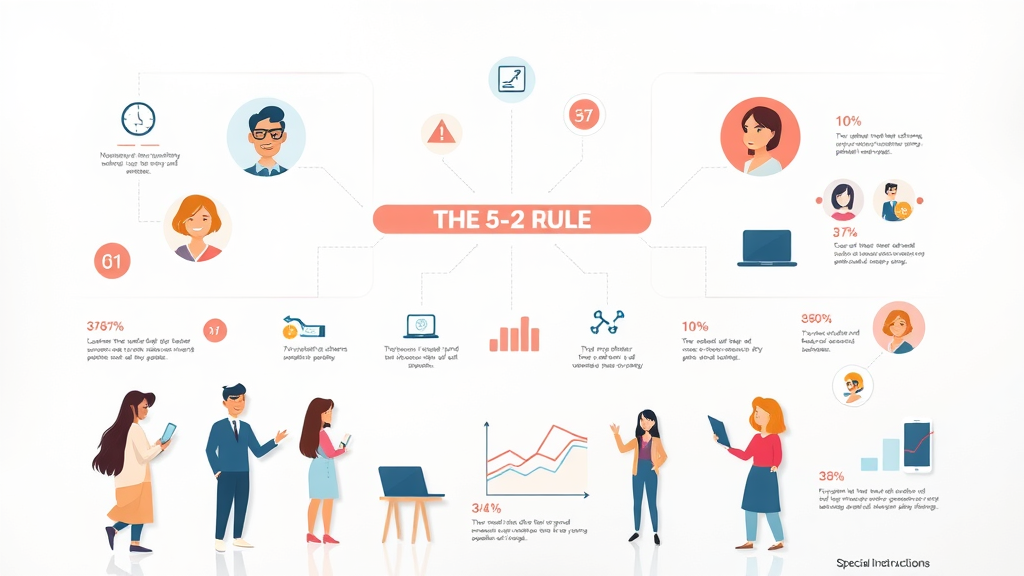
The 5 3 2 Rule guides content planning: out of every 10 social media posts, 5 should be curated (sharing valuable industry content), 3 should be original (showcasing your brand’s expertise), and 2 should be personal (giving followers insight into your company culture or behind-the-scenes moments).
This mix ensures your social media marketing strategy is balanced, providing educational, inspirational, and entertaining content. Blending these types keeps your feed engaging while cultivating trust and loyalty, essential for the success of any small business owner.
What is the 50 30 20 Rule in Social Media Marketing?
Answering: Incorporating the 50 30 20 Rule into Your Social Media Marketing Strategy
The 50 30 20 Rule suggests that half of your social media content should inform or educate, 30% should share industry news or others’ valuable content, and 20% should directly promote your business. This distribution prevents your feeds from feeling overly sales-driven, keeping them informative and audience-focused.
Adopting this rule makes your social media presence more attractive and accessible, encouraging followers to interact, share, and eventually become paying customers.
What Are the 7 C’s of Social Media Strategy?
Answering: Key Components of the 7 C’s for Media Marketing Success
The 7 C’s of social media strategy are: Content, Community, Conversation, Collaboration, Consistency, Conversion, and Customer Care. Content is king—it must add value and drive engagement. Building a loyal community comes next, followed by fostering open conversation to understand and serve your audience.
Collaboration with industry peers and influencers expands reach, while unwavering consistency ensures top-of-mind status. Strong conversion tactics turn interest into sales, and a focus on customer care cements lasting relationships. Incorporating the 7 C’s will set your media marketing strategy up for long-term growth and resilience.
FAQs: Social Media Strategy for Small Business
How can a business owner start with social media marketing?
Begin by identifying your business goals, selecting 1-3 key social media platforms, and creating a simple content plan. Use free tools to schedule posts, monitor performance, and actively engage with your audience. Experiment and adjust as you gather feedback and results.Which social media platform is best for a small business?
The best platform depends on where your target audience spends time. Instagram is great for visual brands, Facebook for community engagement, LinkedIn for B2B marketing, and TikTok for creative, younger audiences. Test and focus on platforms that generate the most engagement for your business.How often should a small business post on social media?
Consistency is key. Aim for at least 3-5 times a week per platform. Use analytics to refine your schedule—post more often if your audience responds, and adjust timing based on peak engagement periods for each network.What marketing tools are essential for social media for small businesses?
Scheduling tools like Hootsuite, Buffer, and Later help save time. Canva enables professional image creation, while analytics platforms like Sprout Social provide actionable insights for improvement. Choose tools that fit your business’s unique content and engagement needs.How can a small business measure social media marketing ROI?
Track metrics such as engagement rate, click-throughs, conversions, and website traffic from social posts. Use built-in analytics from each platform and connect to Google Analytics to monitor customer actions linked to your social media efforts.
Key Takeaways: Social Media Strategy for Small Business in 2025
Social media marketing remains a key growth driver for small businesses.
An integrated media marketing strategy ensures a cohesive approach.
Leveraging the right social media platforms maximizes ROI.
Data-driven decisions guide successful social media strategies for small business.

Conclusion: Start Your Social Media Marketing Journey Today
Why It’s Time for Every Small Business Owner to Upgrade Their Social Media Strategy
"In 2025, a great small business isn’t just built on what you sell—it’s built on how you connect. Social media is your bridge to loyal customers."
The time to upgrade your social media strategy for small business is now. Start building enduring connections and watch your business thrive in 2025.
Call to Action: Transform Your Social Media Strategy for Small Business
Is your Social Media Marketing not performing as promised? Want to Learn More about making it work Seamlessly with All Your Marketing and Gain More Traction with Prospects? Grab Your Copy of the “The Ultimate Guide to Integrated Social Media Marketing” through this link.
Sources
To enhance your understanding of effective social media strategies for small businesses, consider exploring the following resources:
“11 Top Social Media Strategies and Tips for Small Business Owners”: This article provides a comprehensive guide on defining social media goals, understanding your audience, choosing the right platforms, and developing a content strategy tailored for small businesses. (score.org)
“5 Social Media Tips Every Small Business Needs [+ Free Tools]”: This resource offers practical advice on maintaining consistency, focusing on quality content, and leveraging free tools to enhance your social media presence. (blog.hubspot.com)
These articles offer actionable insights and strategies to help small business owners effectively navigate the social media landscape in 2025.




Write A Comment